Fence Installation Cost: Complete Pricing Guide for 2026
By Editorial Team
Last updated: February 6, 2026
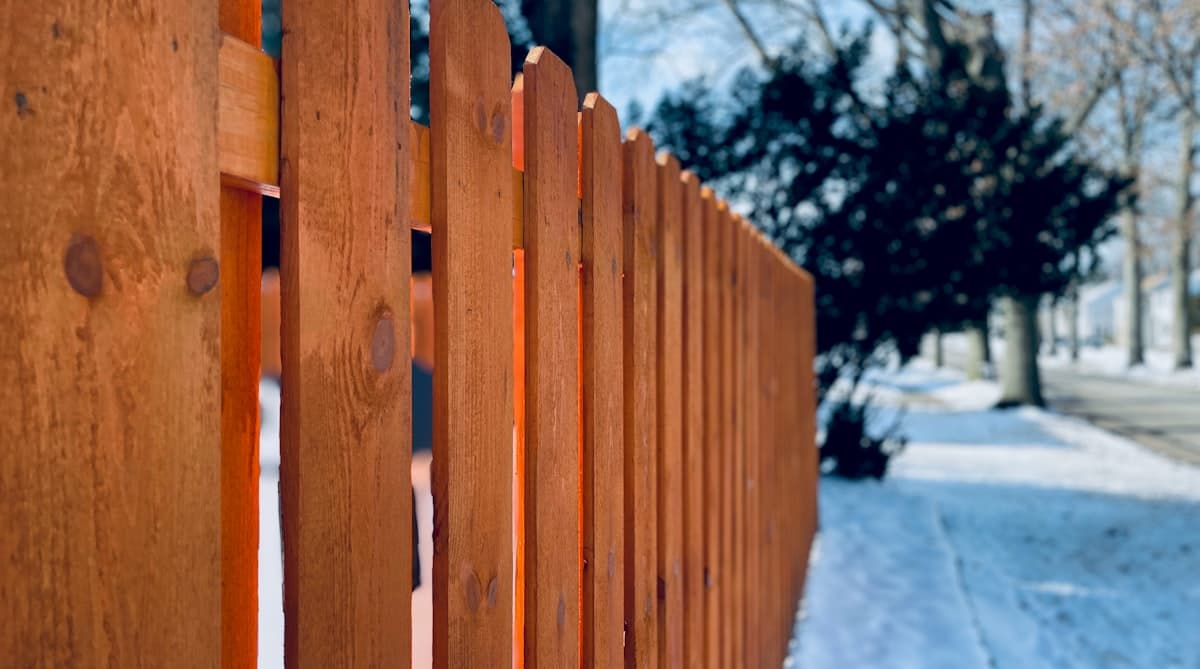
What Does a New Fence Cost?
A new fence adds privacy, defines boundaries, increases security, and boosts curb appeal. But the cost varies widely depending on the material, yard size, and who does the work.
As of early 2026, the average cost to fence a typical residential backyard (150 to 200 linear feet) falls between $3,000 and $10,000 for common materials. A basic 4-foot chain-link fence sits at the low end, while a 6-foot cedar privacy fence or vinyl fence pushes toward the higher end.
This guide breaks down every factor that drives the price so you can budget accurately and compare estimates.
Fence Installation Cost by Material
The material you select is the largest single cost variable. Below are installed costs per linear foot, which include both materials and professional labor, for a standard 6-foot privacy fence unless otherwise noted.
| Material | Cost Per Linear Foot (Installed) | Expected Lifespan | Best For |
|---|---|---|---|
| Chain-link (4 ft) | $10 - $25 | 15 - 20 years | Pet containment, property lines on a budget |
| Pressure-treated pine (6 ft) | $15 - $35 | 10 - 15 years | Budget privacy fencing |
| Cedar (6 ft) | $25 - $45 | 15 - 25 years | Natural appearance, privacy |
| Redwood (6 ft) | $30 - $55 | 20 - 30 years | Premium natural wood look |
| Vinyl/PVC (6 ft) | $25 - $55 | 20 - 30 years | Low-maintenance privacy |
| Aluminum (4-6 ft) | $30 - $60 | 30 - 50 years | Decorative, pool enclosures |
| Composite (6 ft) | $30 - $65 | 25 - 50 years | Low maintenance, modern appearance |
| Wrought iron (4-6 ft) | $50 - $100 | 50+ years | Security, decorative front yards |
For a 200-linear-foot perimeter, a pressure-treated pine privacy fence runs roughly $3,000 to $7,000 installed, while the same footage in vinyl costs $5,000 to $11,000.
Cost by Fence Height
Height affects both material cost and labor time, since taller fences require deeper post holes, more concrete, and more material per section. Here is how height impacts pricing for a standard wood privacy fence (pressure-treated pine).
| Fence Height | Cost Per Linear Foot (Installed) | Typical Use |
|---|---|---|
| 4 feet | $12 - $25 | Front yards, decorative borders, picket fences |
| 5 feet | $15 - $30 | Moderate privacy, side yards |
| 6 feet | $18 - $38 | Full privacy, standard backyard fence |
| 8 feet | $25 - $55 | Maximum privacy, noise reduction, commercial |
Most residential privacy fences are 6 feet tall. Some municipalities restrict front-yard fences to 3 or 4 feet and backyard fences to 6 or 8 feet, so check your local codes before specifying a height.
Labor Costs Breakdown
Labor typically accounts for 40 to 60 percent of the total installed price. Here is how the work breaks down.
Post hole digging: Each post requires a hole roughly 8 to 12 inches in diameter and one-third the total post length deep. Digging costs $15 to $30 per hole in normal soil. Rocky or clay-heavy soil can double that cost.
Setting posts: Posts are set in concrete for stability at $20 to $40 per post, including plumbing (ensuring each post is perfectly vertical). Posts are spaced 6 to 8 feet apart, so a 200-foot fence requires roughly 28 to 35 posts.
Attaching panels or pickets: Pre-built panel installation runs $3 to $8 per linear foot. Board-by-board construction costs $5 to $12 per linear foot because it is significantly more time-consuming.
Gates: A standard walk-through gate (3 to 4 feet wide) costs $200 to $500 installed. A double-wide driveway gate (10 to 16 feet wide) runs $500 to $1,500 or more depending on material and automation. Most yards need at least one walk gate.
Additional Costs to Plan For
Beyond the fence itself, several related expenses can add to your final bill.
- Gates: $200 to $1,000 each depending on size and material. Budget for at least one gate per fenced area.
- Property survey: $300 to $800. If you are not 100 percent certain of your property lines, a survey protects you from the costly mistake of building on a neighbor's land. At a minimum, locate your existing property markers (iron pins typically found at lot corners).
- Permits: $20 to $400 depending on your municipality. Your contractor may handle this, but confirm it is included in the bid.
- Old fence removal and disposal: $3 to $8 per linear foot, or $450 to $1,600 for a typical backyard. Some contractors include removal in their bid; others charge it separately.
- Grading and terrain preparation: Sloped or uneven ground requires stepped or racked fence panels and additional labor. Expect a 10 to 30 percent surcharge over flat-ground pricing.
- Corner, end, and gate posts: These structural posts are often larger (such as 6x6 lumber rather than 4x4) and require deeper holes with more concrete. Budget an additional $15 to $40 per specialty post.
- Utility locating: Call 811 before digging. The service is free, but if unmarked utilities are hit during installation, you are liable for repairs.
Factors That Affect Your Total Cost
Every fence project is different. Here are the variables that push your price up or down.
Terrain: A flat, clear lot is the cheapest to fence. Slopes require stepped or racked panels. Trees and landscaping near the fence line may need trimming or root removal. If you are working on landscaping improvements at the same time, plan both projects together to avoid rework.
Soil type: Soft, sandy, or loamy soil is easy to dig in. Clay soil is harder and slower. Rocky soil may require a jackhammer attachment or hand-chiseling around large rocks, adding significant labor time and cost.
Total fence length: Longer fences cost more in total but can be slightly cheaper per foot because the contractor's setup and mobilization costs are spread over more footage.
Number of gates: Each gate adds $200 to $1,000 or more. Gates also require heavier posts on both sides, adding to the structural cost.
Decorative features: Lattice toppers, post caps, scalloped top rails, and custom picket profiles all add cost. A basic flat-top privacy fence is the most affordable style to build.
Wood Fence Styles Explained
Wood remains the most popular fencing material in the United States, and it comes in several distinct styles. Understanding the differences helps you choose the right balance of privacy, appearance, and cost.
Privacy (stockade): Flat-topped pickets installed side by side with no gaps. Provides complete visual privacy and wind blocking. The most common backyard style and the most straightforward to build. The downside is that your neighbor sees only the flat back of the pickets.
Board-on-board: Pickets mounted on alternating sides of the rails, overlapping by about an inch. Looks finished from both sides, which keeps neighbors happy. Uses roughly 30 percent more lumber than a standard privacy fence, increasing cost.
Shadow box: Similar to board-on-board but with a deliberate gap between pickets on each side. Creates a pattern of light and shadow, allows air circulation, and looks good from both directions. Privacy is reduced compared to a solid fence.
Semi-privacy: Pickets spaced with 1- to 3-inch gaps. Allows airflow and some visibility while defining boundaries. Uses less material than a full privacy fence, reducing cost by 10 to 20 percent.
Picket: Short (3- to 4-foot) fences with spaced pickets and decorative tops. Classic for front yards and cottage-style homes. Provides no real privacy but adds significant curb appeal.
Material Comparison
This side-by-side comparison can help you weigh the tradeoffs between common fencing materials.
| Factor | Pressure-Treated Pine | Cedar | Vinyl/PVC | Aluminum | Composite |
|---|---|---|---|---|---|
| Installed cost (6 ft, per LF) | $15 - $35 | $25 - $45 | $25 - $55 | $30 - $60 | $30 - $65 |
| Lifespan | 10 - 15 years | 15 - 25 years | 20 - 30 years | 30 - 50 years | 25 - 50 years |
| Maintenance level | High | Moderate | Very low | Low | Very low |
| Appearance | Good when new, weathers to gray | Warm, natural grain | Clean, uniform | Elegant, open | Modern, wood-like |
| Privacy | Full | Full | Full | Partial (open rails) | Full |
| Wind resistance | Good | Good | Moderate (panels can crack) | Good (wind passes through) | Good |
| Insect resistance | Treated (moderate) | Natural oils (good) | Immune | Immune | Immune |
Pressure-treated pine delivers the lowest upfront cost, but when you factor in staining every 2 to 3 years and a shorter lifespan, the lifetime cost gap between wood and vinyl or composite narrows considerably.
DIY vs. Professional Installation
Installing a fence yourself can save 40 to 50 percent of the total cost, since you are eliminating labor. For a 200-foot, 6-foot cedar privacy fence, that could mean saving $3,000 to $5,000.
However, fence installation is physically demanding work. Here is what a DIY project requires.
Equipment you will need to rent or buy:
- Post hole digger (manual or power auger): $50 to $100/day rental for a two-person auger
- Level, string line, and stakes for layout
- Circular saw or miter saw for cutting pickets and rails
- Drill/driver for fastening
Materials beyond the fence itself:
- Concrete mix: roughly one to two 50-pound bags per post ($5 to $10 per post)
- Gravel for drainage at the bottom of each post hole
- Screws or nails rated for exterior use
Time commitment: A DIY fence installation for a typical backyard (150 to 200 linear feet) takes most homeowners two to four full weekends. The post holes and post setting are the most time-consuming and physically difficult steps.
When DIY makes sense: If you are comfortable with basic tools, have access to a post hole auger, and your terrain is relatively flat with workable soil. Pre-built fence panels simplify the process considerably compared to building board-by-board.
When to hire a professional: If your yard has significant slopes, rocky soil, or underground obstacles. Professionals ensure posts are properly set and plumb, which is critical -- poorly set posts will lean and fail years early.
How Long Does Professional Fence Installation Take?
A professional crew of two to four workers can typically install a standard backyard fence (150 to 200 linear feet) in 1 to 3 days, assuming the following:
- Permits are already in hand
- Utility lines have been marked
- The terrain is relatively flat
- The old fence (if any) has been removed or removal is included in the timeline
Larger properties, difficult terrain, or premium materials like wrought iron or composite may extend the timeline to 4 to 5 days. Weather delays can also push the schedule.
Most contractors will not begin work until utilities have been marked by 811, which can take 2 to 10 business days after you call. Factor this lead time into your planning.
Maintenance by Material Type
Your fence's maintenance requirements directly affect its long-term cost and appearance.
Pressure-treated pine: Apply a water-repellent stain or sealant within the first year (after the wood dries) and reapply every 2 to 3 years. Without staining, pine turns gray, cracks, and becomes susceptible to rot within 8 to 10 years.
Cedar: Naturally resistant to rot and insects. Can be left to weather to a silver-gray patina or stained every 3 to 5 years to maintain its warm tone. More forgiving than pine but still benefits from periodic sealing.
Vinyl/PVC: Virtually maintenance-free. Hose it off once or twice a year with mild detergent to remove dirt and mildew. No painting, staining, or sealing required. The main vulnerability is impact damage -- vinyl can crack if struck hard in cold weather.
Aluminum: Rinse periodically to remove dirt and pollen. Powder-coated aluminum does not rust, though chips in the coating should be touched up with matching paint to prevent corrosion.
Composite: Clean with soap and water as needed. Resists rot, insects, and fading without staining or sealing. Some products can develop mildew in shaded areas, removable with a composite deck cleaner.
Wrought iron: Inspect annually for rust, especially at joints and along the bottom rail near ground contact. Sand off rust and apply rust-inhibiting primer and paint. A well-maintained wrought iron fence lasts a lifetime, but neglected rust will compromise the metal.
Getting the Best Price
To make sure you are getting fair pricing and quality work, follow these steps:
- Get at least three written estimates. Each should specify the material (species, grade, or product line), fence height and style, post spacing, concrete specifications, gate details, and whether old fence removal and permits are included.
- Ask about post construction. Posts should be set in concrete below the frost line (or at least 24 inches deep for a 6-foot fence). Posts that are simply tamped into dirt will shift and lean within a few years.
- Verify licensing and insurance. A fencing contractor should carry general liability insurance and workers' compensation coverage. Ask for proof.
- Check the warranty. Material warranties vary widely. Vinyl manufacturers often offer 20-year to lifetime warranties. Wood fence warranties are usually workmanship-only (1 to 5 years). Understand what is covered and what is not.
- Time your project strategically. Late fall and winter are the off-season for fencing in most regions. You may find better pricing and faster scheduling by booking during the slow months.
Is a New Fence Worth It?
A well-built fence adds tangible value to your property. Privacy fences are consistently among the most desirable features for homebuyers with children and pets. Real estate professionals estimate that a new fence recoups 50 to 70 percent of its cost at resale, and in neighborhoods where most homes have fenced yards, the return can be even higher.
Beyond resale value, a fence improves your daily use of outdoor space. A private backyard becomes an extension of your living area. If you are also planning budget-friendly landscaping improvements, a new fence provides the backdrop and boundary that ties everything together.
When you are ready to move forward, visit our contact page if you have questions about planning your fence project.
Editorial note: This guide was written and reviewed by our editorial team. Cost estimates reflect national averages and may vary by region. Read our editorial standards.
Frequently Asked Questions
Related Articles
How to Build a Deck: Complete Planning Guide
Plan your deck project with this complete guide covering design, materials, permits, footings, framing, and cost estimates for DIY deck building.
Landscaping on a Budget: 7 Affordable Ways to Transform Your Yard
Upgrade your yard without breaking the bank. Budget-friendly landscaping tips including native plants, DIY edging, mulch, drip irrigation, and container gardening.