Landscaping on a Budget: 7 Affordable Ways to Transform Your Yard
By Editorial Team
Last updated: February 14, 2026
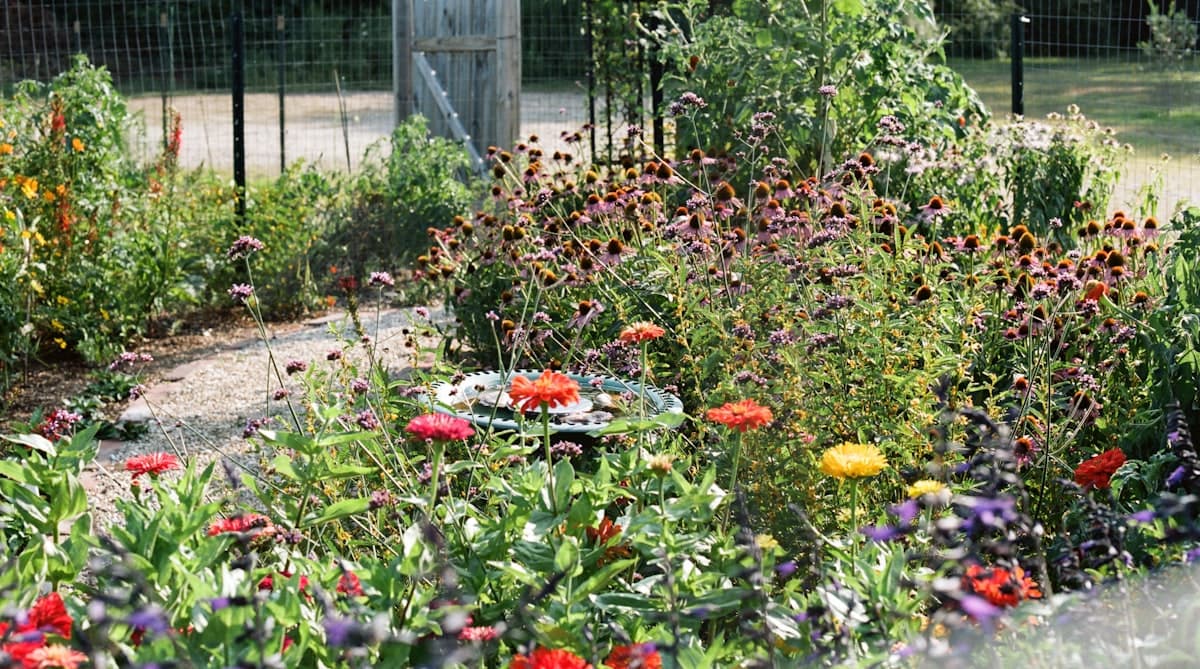
You Do Not Need a Big Budget for a Great Yard
Many homeowners assume that an attractive landscape requires thousands of dollars and a professional crew. That is not the case. The most impactful landscaping improvements are the ones you can do yourself over a few weekends with a modest investment. The secret is working smarter — choosing the right plants, reducing maintenance, and focusing your effort where it creates the biggest visual payoff.
Here are seven budget-friendly strategies that deliver real results.
1. Choose Native Plants
Native plants are adapted to your local climate, soil, and rainfall. That means they need less watering, less fertilizer, and less pest control than exotic ornamentals. They are also typically cheaper to buy because they grow readily in local nurseries.
- Contact your county extension office or search your state's native plant society website for a recommended species list.
- Focus on perennials (plants that come back every year) rather than annuals (which need to be replanted each season). The upfront cost is slightly higher, but perennials pay for themselves within two years.
- Visit nurseries in late season (late summer or early fall) when plants are often discounted 30 to 50 percent.
2. Use Mulch for Weed Control and Clean Appearance
Mulch is arguably the highest-impact, lowest-cost landscaping material available. A fresh layer of mulch around beds and trees instantly makes a yard look tidy and intentional.
- Apply 2 to 3 inches of organic mulch (hardwood, pine bark, or shredded leaves) around planting beds.
- Keep mulch 2 to 3 inches away from the base of tree trunks and plant stems to prevent rot.
- Buy mulch in bulk (by the cubic yard) from a landscape supply company rather than by the bag at a hardware store — bulk is typically 40 to 60 percent cheaper.
- One cubic yard covers roughly 100 square feet at 3 inches deep.
3. Create DIY Edging
A clean edge between lawn and planting beds makes a surprising difference. You do not need to buy commercial edging products.
- Trench edging is free and looks professional. Use a flat-blade spade to cut a 3- to 4-inch deep V-shaped trench along the border of each bed. This sharp line separates the lawn from the mulch and prevents grass from creeping into the bed.
- Re-cut the trench edge each spring to maintain the clean look.
- If you prefer a physical edging material, natural stone salvaged from local sellers or even free from construction sites adds character without the cost of manufactured pavers.
4. Create Focal Points
A well-placed focal point draws the eye and makes the entire landscape feel more designed. You do not need a fountain or statue — simple options work just as well.
- Group three to five containers of varying heights on a porch or patio corner.
- Plant a single ornamental tree or large flowering shrub at a visual anchor point, such as the corner of the house or the end of a walkway.
- Add a simple garden bench, a birdbath, or a large decorative pot planted with a single striking plant.
The goal is to give the eye a destination rather than letting it wander over an undifferentiated expanse of lawn.
5. Maintain Your Lawn at the Proper Height
A thick, healthy lawn is one of the best weed suppressors available, and it costs nothing extra to mow correctly.
- Set your mower blade to 3 to 3.5 inches for most cool-season grasses (fescue, bluegrass, rye) and 2 to 2.5 inches for warm-season grasses (Bermuda, zoysia).
- Never remove more than one-third of the grass blade in a single mowing. Cutting too short stresses the grass and invites weeds.
- Leave clippings on the lawn. They decompose quickly and return nitrogen to the soil, reducing fertilizer needs by up to 25 percent.
- Sharpen your mower blade at least once a year. A dull blade tears the grass rather than cutting it cleanly, giving the lawn a brownish, ragged appearance.
6. Install Drip Irrigation
Hand-watering is time-consuming, and sprinklers waste water through evaporation and overspray. A basic drip irrigation system puts water directly at the root zone of each plant, reducing water use by 30 to 50 percent compared to sprinklers.
- Starter kits cost $25 to $75 and cover small to medium planting beds.
- Drip systems connect to an outdoor faucet with a simple timer (another $25 to $40) so watering is fully automated.
- Lay the tubing through your planting beds, position emitters at each plant, and cover with mulch. The entire installation takes an afternoon.
Drip irrigation is especially valuable in hot, dry climates where water bills can spike dramatically in summer.
7. Try Container Gardening
Containers let you add color and greenery to patios, porches, entryways, and driveways without any digging or bed preparation.
- Use the "thriller, filler, spiller" formula: one tall plant in the center (the thriller), medium plants around it (fillers), and trailing plants that spill over the edge of the pot.
- Repurpose containers you already have — large ceramic pots, galvanized tubs, wooden crates, or even five-gallon buckets with drainage holes drilled in the bottom.
- Containers are also ideal for growing herbs and small vegetables near the kitchen door.
Where to Spend and Where to Save
| Spend More On | Save Money On |
|---|---|
| Quality mulch (it lasts longer) | Edging (trench edging is free) |
| Native perennial plants | Annuals (they die after one season) |
| A drip irrigation timer | Decorative pots (repurpose what you have) |
| Good soil amendments | Lawn chemicals (proper mowing reduces the need) |
Landscaping on a budget is not about cutting corners. It is about directing your time and money toward the improvements that deliver the biggest visual and functional return. Start with one or two of these strategies this season and build on them over time.
Editorial note: This guide was written and reviewed by our editorial team. Cost estimates reflect national averages and may vary by region. Read our editorial standards.
Frequently Asked Questions
Related Articles
How to Build a Deck: Complete Planning Guide
Plan your deck project with this complete guide covering design, materials, permits, footings, framing, and cost estimates for DIY deck building.
Fence Installation Cost: Complete Pricing Guide for 2026
How much does a new fence cost? Detailed pricing for wood, vinyl, chain-link, aluminum, and composite fencing including materials, labor, and per-foot costs.