How to Unclog a Drain - DIY Tips
By Editorial Team
Last updated: February 20, 2026
Introduction
A clogged drain is one of the most common household plumbing issues. Whether it is a slow-draining kitchen sink, a backed-up bathroom drain, or a stubborn shower clog, most drain blockages can be resolved with simple DIY techniques before calling a plumber.
This guide walks you through proven methods to clear drain clogs, starting with the easiest approaches and progressing to more advanced techniques.
What You Will Need
Before you start, gather these common household items and tools:
- Boiling water
- Baking soda and white vinegar
- A cup plunger (flat-bottom for sinks) or flange plunger (for toilets)
- Rubber gloves
- A drain snake or zip-it tool (available at any hardware store for under $10)
- Bucket and old towels
- Channel-lock pliers or a wrench (for P-trap removal)
Method 1: Boiling Water
This is the simplest approach and works well for minor clogs caused by soap or grease.
- Remove any standing water from the sink using a cup or bowl.
- Boil a full kettle or pot of water.
- Pour the boiling water directly into the drain in two to three stages, waiting a few seconds between each pour.
- Wait a minute and test the drain. Repeat if the water begins draining slowly.
Important: Do not use boiling water on PVC pipes or if you have a porcelain sink bowl, as extreme heat can damage these materials. Use very hot (not boiling) tap water instead.
Method 2: Baking Soda and Vinegar
This natural combination creates a fizzing reaction that helps break down organic buildup.
- Remove any standing water from the sink.
- Pour 1/2 cup of baking soda directly into the drain.
- Follow with 1/2 cup of white vinegar.
- Immediately cover the drain with a plug or wet cloth to contain the fizzing action inside the pipe.
- Wait 30 minutes (or up to overnight for stubborn clogs).
- Flush the drain with boiling or very hot water.
- Repeat if necessary.
This method is safe for all pipe types and works especially well for bathroom drains clogged with hair and soap residue.
Method 3: Plunging
A plunger creates pressure that can dislodge blockages further down the pipe.
- Fill the sink or tub with enough water to cover the plunger cup (about 2 inches).
- If you have a double sink, block the second drain with a wet cloth to maintain pressure.
- Place the plunger squarely over the drain, ensuring a tight seal.
- Push down and pull up vigorously 15 to 20 times without breaking the seal.
- Pull the plunger away sharply on the last stroke.
- Check if the water drains. Repeat 2-3 times if needed.
Tip: Apply a thin layer of petroleum jelly around the rim of the plunger for a better seal.
Method 4: Drain Snake
For deeper clogs that plunging cannot reach, a drain snake (also called an auger) is your best tool.
- Remove the drain stopper or strainer.
- Insert the snake into the drain and push it forward until you feel resistance.
- Rotate the handle clockwise to bore through the clog or hook onto it.
- Push and pull the snake back and forth while rotating to break up the obstruction.
- Slowly withdraw the snake — it may pull out hair and debris.
- Flush the drain with hot water to clear remaining debris.
A basic 25-foot hand-crank drain snake costs $20 to $40 and handles most residential clogs.
Method 5: Clean the P-Trap
The P-trap is the U-shaped pipe under your sink. Debris often accumulates here.
- Place a bucket under the P-trap to catch water.
- Unscrew the slip nuts on both ends of the P-trap by hand or with channel-lock pliers.
- Remove the P-trap and empty its contents into the bucket.
- Clean the inside of the P-trap with a brush or old toothbrush.
- Inspect the pipe going into the wall for blockages and snake it if needed.
- Reassemble the P-trap, hand-tightening the slip nuts.
- Run water to test and check for leaks at the connections.
Preventing Future Clogs
Prevention saves you time and hassle. Follow these habits to keep your drains flowing:
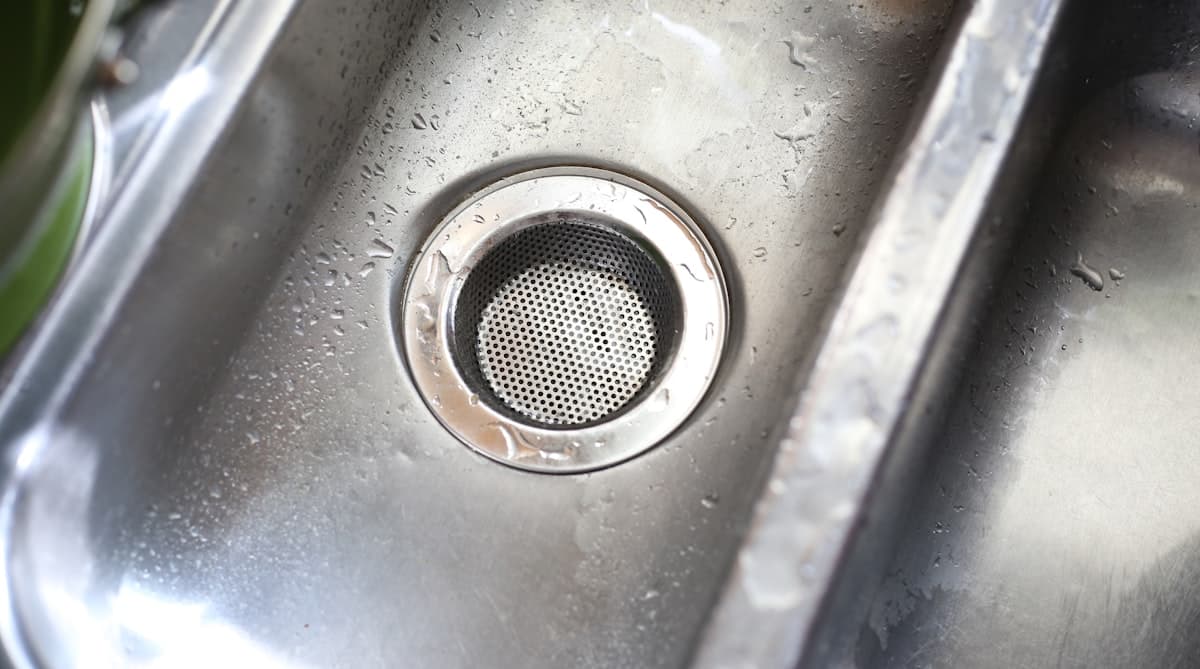
- Use drain screens on all drains to catch hair and debris.
- Run hot water after each use to flush away grease and soap.
- Clean drain stoppers weekly by removing hair and buildup.
- Never pour grease down the kitchen sink — let it cool and dispose in the trash.
- Monthly maintenance: Pour 1/2 cup baking soda followed by hot water to prevent buildup.
- Avoid putting coffee grounds, eggshells, pasta, rice, or fibrous vegetables down the garbage disposal.
When to Call a Professional
Some situations require professional equipment and expertise:
- The clog returns repeatedly despite clearing it
- Multiple drains in the house are slow or clogged
- You notice sewage odors coming from drains
- Water backs up in unexpected places (e.g., flushing the toilet causes the shower to back up)
- You suspect tree root intrusion in the sewer line
- The main sewer line is affected
A professional plumber can use a camera inspection to identify the exact location and cause of the blockage, then clear it with commercial-grade equipment.
Editorial note: This guide was written and reviewed by our editorial team. Cost estimates reflect national averages and may vary by region. Read our editorial standards.
Frequently Asked Questions
Related Articles
Water Heater Troubleshooting: Fix Common Problems Yourself
Diagnose and fix common water heater problems including no hot water, strange noises, leaks, and rusty water. Covers both tank and tankless units.
How to Fix a Running Toilet: 5 Easy DIY Fixes
Stop a running toilet with these simple DIY fixes. Learn how to diagnose and repair a faulty flapper, fill valve, float, and overflow tube step by step.
DIY Bathroom Remodel on a Budget: A Practical Guide
Transform your bathroom without overspending. Budget-friendly remodel tips covering vanities, tile, fixtures, lighting, and where to save vs splurge.