How Much Does a New Roof Cost in 2026?
By Editorial Team
Last updated: February 20, 2026
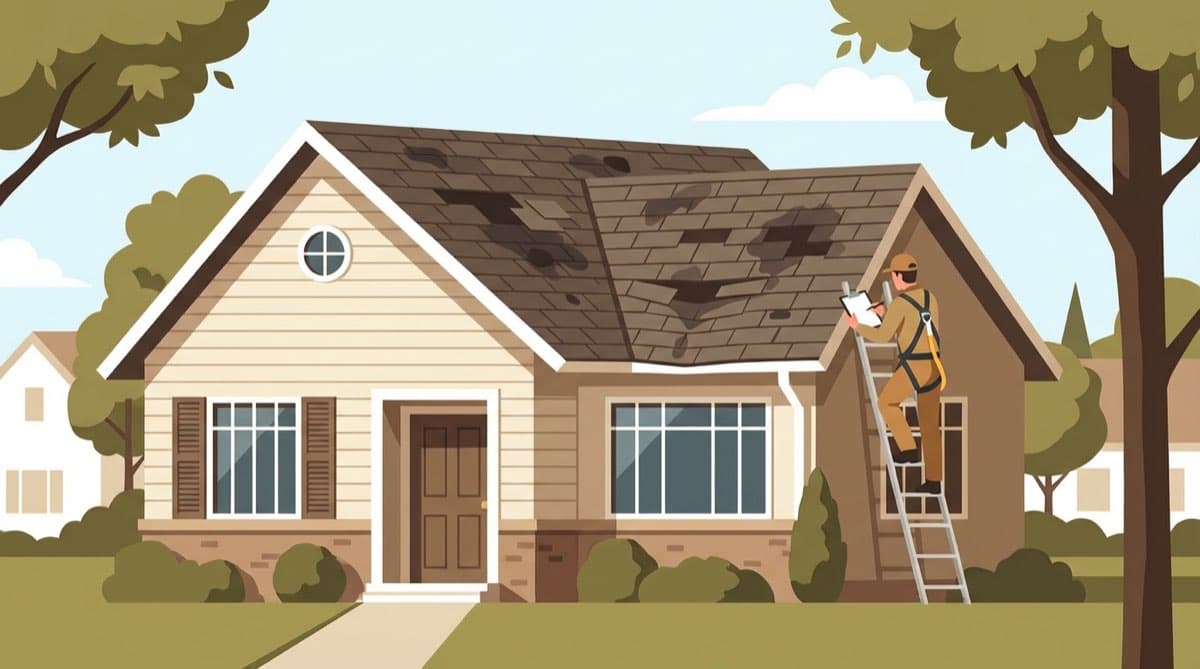
What a New Roof Costs Right Now
A roof replacement is one of the largest home improvement expenses most homeowners will face, and the cost can vary dramatically depending on the material, the size and complexity of the roof, and where you live. Understanding what drives the price helps you budget accurately, compare contractor bids intelligently, and avoid surprises.
As of early 2026, the national average cost for a full roof replacement on a typical single-family home falls between $8,500 and $17,000 for asphalt shingles, with the overall average landing around $11,000 to $13,000. Premium materials like metal, slate, and tile push the total significantly higher.
How Roofing Is Measured
Roofing contractors measure roofs in "squares." One roofing square equals 100 square feet of roof area. A home with 2,000 square feet of roof area has a 20-square roof. Note that roof area is always larger than your home's floor plan because the roof extends past the walls (eaves and overhangs) and the pitch adds slope area.
A typical single-family home has between 15 and 25 squares of roof area. Your contractor should measure the actual roof, not estimate from the floor plan.
Cost by Roofing Material
The material you choose is the single biggest cost variable. Here is what each option typically costs in 2026, including materials and professional installation.
| Roofing Material | Cost Per Square (Installed) | Cost for 20-Square Roof | Expected Lifespan |
|---|---|---|---|
| Three-tab asphalt shingles | $350 - $500 | $7,000 - $10,000 | 15 - 20 years |
| Architectural asphalt shingles | $450 - $700 | $9,000 - $14,000 | 25 - 30 years |
| Premium/designer shingles | $650 - $1,000 | $13,000 - $20,000 | 30 - 50 years |
| Standing seam metal | $800 - $1,400 | $16,000 - $28,000 | 40 - 70 years |
| Metal shingles or panels | $600 - $1,100 | $12,000 - $22,000 | 30 - 50 years |
| Concrete tile | $800 - $1,200 | $16,000 - $24,000 | 40 - 60 years |
| Clay tile | $1,000 - $1,800 | $20,000 - $36,000 | 50 - 100 years |
| Natural slate | $1,500 - $3,000 | $30,000 - $60,000 | 75 - 150 years |
Architectural (dimensional) asphalt shingles are the most popular choice in the United States, offering a good balance of appearance, durability, and cost. They have largely replaced three-tab shingles as the standard option.
What Else Affects the Price
The material cost per square is only part of the equation. Several other factors can add thousands of dollars to the final bill.
Roof Size and Complexity
A larger roof costs more simply because there is more area to cover. But complexity matters just as much as size. A simple gable roof with two flat planes is much faster to install than a roof with multiple hips, valleys, dormers, and skylights. Each of these features requires additional flashing, cutting, and labor.
Roof Pitch
Steeper roofs require additional safety equipment, take longer to work on, and use more material per square foot of floor plan. Roofs with a pitch of 8/12 or steeper (meaning the roof rises 8 inches for every 12 inches of horizontal run) typically carry a steep-pitch surcharge of 10 to 25 percent.
Tear-Off and Deck Repairs
If the existing roofing material needs to be removed (a tear-off), that adds labor and disposal costs of roughly $1 to $3 per square foot. If the tear-off reveals damaged or rotted roof decking (the plywood or OSB sheathing under the shingles), replacing it costs an additional $50 to $100 per sheet of plywood, plus labor.
Most contractors include a standard tear-off in their bid but charge extra for unexpected deck repairs discovered during the process. Ask your contractor how they handle deck damage — whether they charge per sheet replaced or include a contingency in the bid.
Underlayment and Ice-and-Water Shield
Building codes increasingly require a synthetic underlayment rather than traditional felt paper. Synthetic underlayment costs slightly more but provides better protection and is easier for crews to work with. In cold climates, ice-and-water shield membrane is required along eaves, valleys, and around penetrations to prevent ice dam damage. This self-adhering membrane costs $1 to $3 per linear foot and is a non-negotiable expense in freeze-thaw regions.
Flashing
Flashing is the metal (usually aluminum or galvanized steel) installed around chimneys, vents, skylights, and where the roof meets a vertical wall. If existing flashing is corroded or improperly installed, it needs to be replaced. Chimney flashing replacement alone can add $300 to $600 to the project.
Ventilation
Proper attic ventilation extends the life of a new roof and prevents moisture problems. If your roof lacks adequate ridge vents, soffit vents, or both, the contractor may recommend adding them during the replacement. Adding a ridge vent typically costs $300 to $600. It is worth the investment — poor ventilation can void shingle manufacturer warranties and cause premature failure.
Regional Labor Rates
Labor costs vary significantly by region. Roofing labor tends to be higher in the Northeast, Pacific Northwest, and major metropolitan areas, and lower in the Southeast and Midwest. In high-demand markets or after a major storm event, labor prices can spike due to contractor availability.
Permits and Inspections
Most municipalities require a building permit for a roof replacement. Permit fees range from $100 to $500 depending on the jurisdiction. Your contractor should handle the permitting process, but make sure it is included in the bid. A permitted project ensures the work meets local building codes and is documented for future resale.
How to Budget for a New Roof
If you know your roof is aging and will need replacement in the next few years, start planning now.
- Get your roof measured. Ask a contractor to measure the roof area in squares, or use a satellite measurement tool (many roofing companies and online services offer these).
- Choose your material. Decide on the material tier you want based on the cost table above and your long-term plans for the home. If you plan to sell within five years, mid-range architectural shingles offer the best return. If you plan to stay for decades, investing in metal or premium shingles can be cost-effective over time.
- Get at least three written estimates. Each estimate should detail the scope of work, material brand and product line, underlayment type, number of squares, tear-off and disposal, deck repair allowance, flashing, ventilation, warranty terms, and timeline.
- Set aside 10 to 15 percent for contingencies. Unexpected deck damage, additional flashing, or code-required upgrades can add cost. A contingency buffer prevents a budget surprise mid-project.
Financing Options
A full roof replacement is rarely an emergency you can plan years in advance, but most homeowners are not prepared to write a check for $10,000 to $15,000. Common financing options include:
- Home equity loan or HELOC — Typically the lowest interest rates because your home secures the loan. Works well if you have significant equity.
- Personal loan — Unsecured, no collateral required. Interest rates are higher than home equity products but the application process is faster.
- Contractor financing — Many roofing companies partner with lenders to offer promotional financing, sometimes with zero-interest introductory periods. Read the terms carefully — deferred interest can be costly if the balance is not paid in full during the promotional window.
- Insurance claim — If storm damage caused the need for replacement, your homeowners insurance may cover most of the cost minus your deductible. Document damage thoroughly before any work begins.
Questions to Ask Every Contractor
Before signing a contract, ask these questions:
- Are you licensed and insured in this state?
- What specific shingle product line are you recommending, and what is the manufacturer's warranty?
- Does your workmanship warranty cover labor if there is a problem after installation? For how long?
- Are you including a full tear-off, or will you install over the existing shingles?
- How do you handle rotted decking found during tear-off?
- Is the permit fee included in this bid?
- What is the payment schedule? (Avoid contractors who demand full payment upfront. A common and fair structure is one-third at signing, one-third at material delivery, and one-third at completion.)
- How will you protect my landscaping, siding, and windows during the project?
Cost vs. Value
According to remodeling cost-versus-value data, an asphalt shingle roof replacement recoups roughly 55 to 65 percent of its cost at resale. A metal roof recoups a similar percentage but on a higher total cost. However, the real value of a new roof is not just in resale — it is in preventing the cascade of expensive water damage that a failing roof allows. A single roof leak left unchecked can cause thousands of dollars in damage to insulation, drywall, framing, and even electrical systems.
A new roof is not glamorous, but it is one of the most important investments you can make in your home. Take the time to understand the costs, compare your options, and choose a reputable contractor.
Editorial note: This guide was written and reviewed by our editorial team. Cost estimates reflect national averages and may vary by region. Read our editorial standards.