8 Warning Signs You Need a New Roof
By Editorial Team
Last updated: February 5, 2026
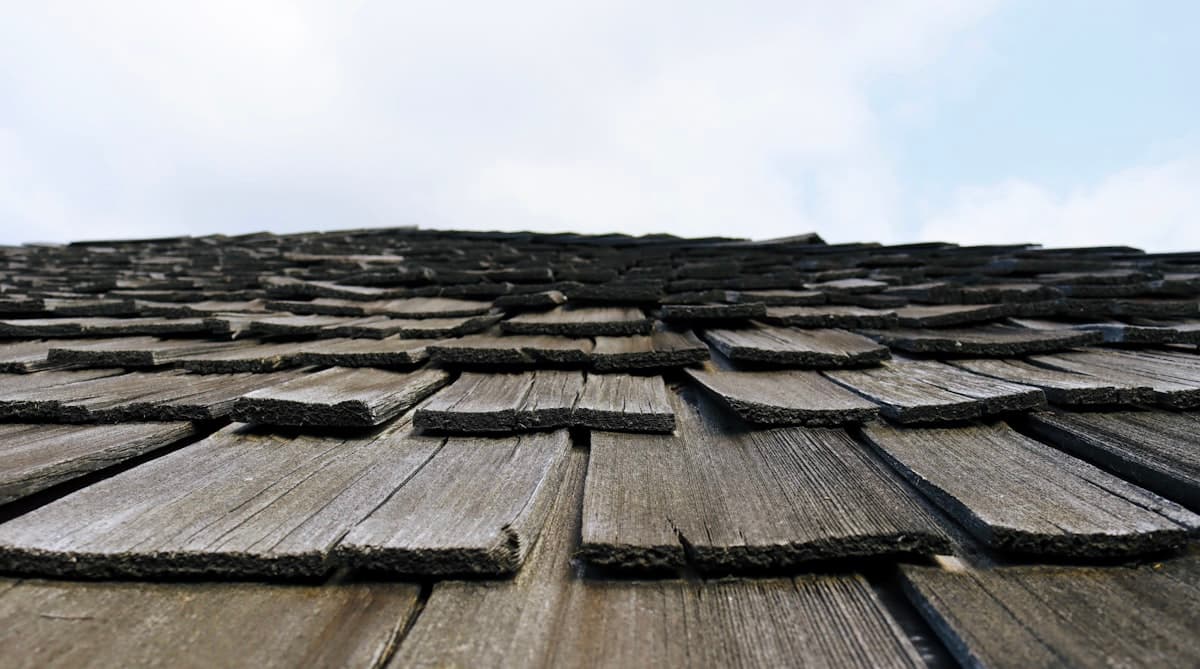
Do Not Ignore Your Roof
Your roof is the first line of defense against rain, snow, wind, and sun. Yet most homeowners rarely think about it until water is dripping through the ceiling. By recognizing the early warning signs of a failing roof, you can plan and budget for a replacement before emergency damage forces your hand.
Here are eight signs that your roof may be nearing the end of its life.
1. Your Roof Is Over 20 Years Old
Age is the single most reliable indicator. If your roof has standard three-tab asphalt shingles and is approaching or past the 20-year mark, it is time to start planning. Even if the roof looks acceptable from the ground, the materials are likely degraded and more vulnerable to storm damage.
Check your home improvement records or closing documents to confirm when the roof was last replaced. If you cannot find a date, a roofing contractor can estimate age based on the shingle condition.
2. Shingles Are Curling or Buckling
Take a look at the slopes of your roof that get direct sunlight. If the shingle edges are curling upward (called cupping) or the shingle tabs are buckling and creating a wavy pattern, the shingles have lost their ability to seal against wind and water. Curled shingles are also more likely to be torn off in a storm.
Curling typically means the shingles have exceeded their useful life, or that the roof deck is not properly ventilated and heat buildup is accelerating deterioration from below.
3. Missing Shingles
A few missing shingles after a major storm can usually be patched. But if shingles are going missing regularly or in calm weather, the sealant strip has failed and the shingles are no longer adhering to one another. Patching mismatched shingles also creates an uneven appearance that can affect curb appeal and resale value.
4. Granule Loss in the Gutters
Asphalt shingles are coated with ceramic granules that protect the underlying asphalt from UV rays. When you clean your gutters, look for an accumulation of coarse, sand-like granules. Some granule loss is normal on a new roof during the first year or two, but heavy granule loss on an older roof means the shingles are wearing out. Without granules, the asphalt layer bakes and cracks in the sun.
5. Daylight Visible Through the Roof Boards
Go into your attic on a sunny day and turn off any lights. If you can see pinpoints or streaks of daylight coming through the roof deck, water can get through those same openings. While you are up there, check for dark stains or streaks on the underside of the sheathing, which indicate moisture penetration.
6. The Roof Deck Is Sagging
A sagging roofline is a serious structural concern. Stand across the street and look at the ridge line and planes of the roof. They should be straight and uniform. If you notice dipping, bowing, or sagging, the decking underneath may be rotting from prolonged moisture exposure, or the structural supports may be compromised.
A sagging roof should be inspected by a professional immediately. This is not a situation where a simple re-shingle will solve the problem — the underlying decking or framing likely needs repair.
7. Moss, Algae, or Mold Growth
Dark streaks on the roof are typically caused by a type of blue-green algae called Gloeocapsa magma. While algae alone does not necessarily damage shingles, heavy moss growth is a different story. Moss holds moisture against the roof surface and can work its way under shingle edges, lifting them and allowing water underneath.
If moss has established thick patches, simply scraping it off can damage the shingles further. Persistent moss growth often signals that the shaded portions of your roof retain too much moisture, and the shingles in those areas are deteriorating faster.
8. Rising Energy Bills or Water Stains on the Ceiling
If your heating and cooling costs have been creeping up without a clear explanation, poor roof performance may be a contributing factor. A compromised roof allows conditioned air to escape and outside air to infiltrate, especially if the underlying insulation has been damaged by moisture.
Water stains on your ceiling or walls — yellowish-brown rings or patches — are an obvious sign that water is getting in somewhere. While a water stain does not always mean the entire roof needs replacement (it could be a localized flashing failure), it does warrant a thorough inspection.
Repair or Replace?
Not every problem requires a full replacement. Here is a general guideline:
- Repair — A few missing or damaged shingles in an isolated area on a roof that is less than 15 years old.
- Replace — Multiple warning signs from the list above, especially on a roof that is 20 or more years old.
If more than 25 to 30 percent of the roof surface is affected, or if the damage is widespread across multiple slopes, replacement is almost always more cost-effective than repeated repairs.
What to Do Next
If you have identified two or more of these warning signs, get at least three written estimates from licensed roofing contractors. Ask each contractor about the scope of work, materials, warranty, and timeline. A quality roof replacement is a significant investment, but it protects the rest of your home from water damage and adds substantial value at resale.
Editorial note: This guide was written and reviewed by our editorial team. Cost estimates reflect national averages and may vary by region. Read our editorial standards.