Emergency Plumbing: What to Do Before the Plumber Arrives
By Editorial Team
Last updated: February 9, 2026
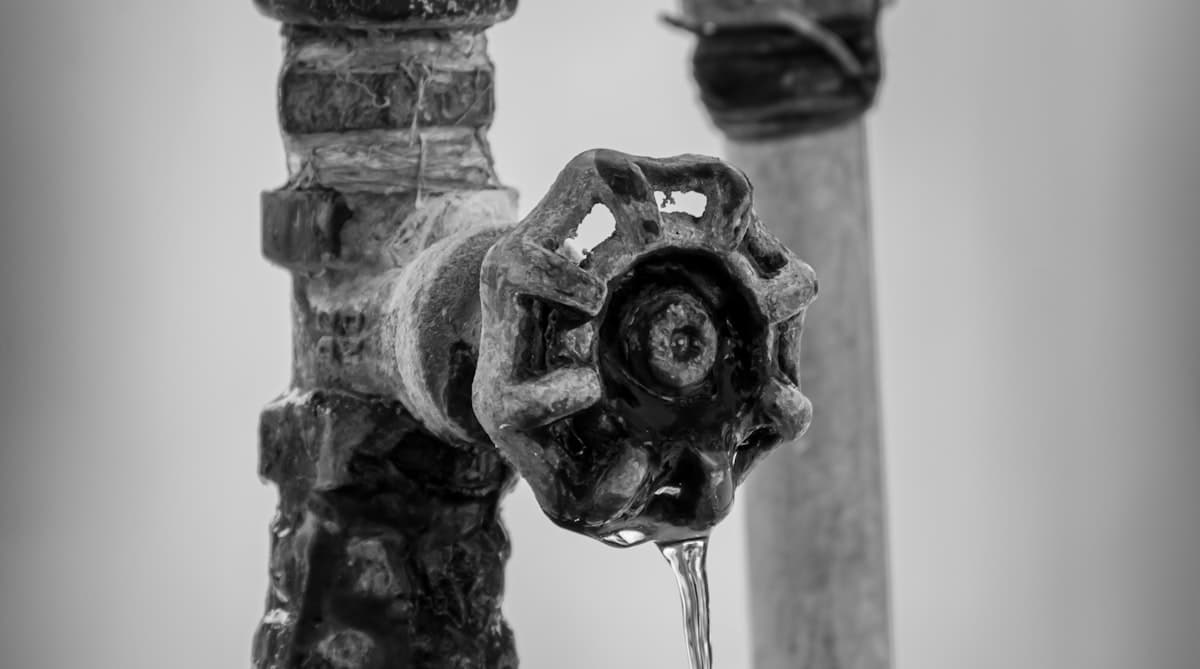
The First 5 Minutes Matter Most
When a pipe bursts or a major leak erupts in your home, the clock starts immediately. Within the first hour, drywall begins absorbing water and swelling. By hour two, wood flooring warps. Within 24 to 48 hours, mold growth can begin inside walls, turning a plumbing repair into a full-scale remediation project.
Uncontrolled flooding can cause $1,000 to $5,000 in damage per hour depending on the volume and materials it reaches. A burst pipe left running overnight can produce $10,000 to $50,000 in structural damage. The actions you take in the first five minutes determine whether you face a manageable repair bill or a catastrophic restoration project.
Step 1: Shut Off the Water
Stopping the flow of water is the single most important action in any plumbing emergency.
Use the Local Shut-Off Valve First
If the leak is at a specific fixture, use the local shut-off valve to stop water to just that fixture.
- Sinks -- One or two oval-handled valves under the cabinet on the supply lines. Turn clockwise.
- Toilets -- Valve on the wall behind and below the tank, on the left side. Turn clockwise.
- Washing machines -- Two valves (hot and cold) on the wall behind the machine. Turn both clockwise.
- Dishwashers -- Typically under the kitchen sink, branching off the hot water supply line.
- Water heaters -- Dedicated shut-off on the cold water inlet pipe at the top of the unit.
Shut Off the Main Water Supply
If you cannot find the local valve, if the leak is inside a wall or ceiling, or if you are unsure where the water is coming from, shut off the main water supply to the entire house.
The main shut-off valve is in one of four common locations:
- Inside the house where the main water line enters -- typically the basement, crawl space, or utility closet.
- On an exterior wall near the foundation, usually on the street-facing side.
- In the garage, often along the front wall.
- In a meter box near the curb -- you may need a meter key (about $10 at hardware stores) to open the cover.
There are two types of main shut-off valves:
- Gate valve -- A round handle. Turn clockwise to close. These can be stiff if they have not been turned in years; apply steady pressure but do not force with a wrench, as old gate valves can break.
- Ball valve -- A lever handle. Turn perpendicular to the pipe (a 90-degree turn) to close.
Step 2: Turn Off the Water Heater
This step is critical and often overlooked. With the main water supply off, no cold water enters the tank. If the heater continues to fire on an empty or near-empty tank, it can overheat, damage the lining, or become a safety hazard.
- Gas water heater -- Turn the gas valve (the knob near the bottom of the unit) to OFF or PILOT. Do not relight the pilot until water service is restored and the tank is full.
- Electric water heater -- Flip the dedicated water heater breaker to OFF. Heating elements burn out within minutes if not submerged in water.
If you are unsure whether your heater is gas or electric, turn off both. For more on water heater issues, see our water heater troubleshooting guide.
Step 3: Open Faucets to Drain Remaining Pressure
After shutting off the main supply, pressurized water remains in the pipes. Opening faucets relieves that pressure (reducing flow at the leak point) and drains the system faster.
- Open the cold water side of the faucet nearest the leak first.
- Open faucets at the lowest point in the house (basement utility sink or outdoor hose bib) to gravity-drain the lines.
- Flush toilets to empty the tanks.
Step 4: Address Electricity Safety
Water and electricity are a lethal combination. Assess the hazard before stepping into any flooded area.
- If water is near outlets, panels, or appliances, shut off the breakers for the affected area. If unsure which breaker to use, shut off the main breaker.
- Do NOT touch any electrical switch, outlet, or appliance while standing in water. If the breaker box is in a flooded area, do not approach it -- call your electric utility to cut power at the meter.
- Do NOT use electrical devices in standing water until you are certain power is off.
- Unplug electronics in the affected area if you can do so safely without standing in water.
If anyone has received an electrical shock from water contact, call 911 immediately.
Step 5: Contain and Clean Up Water
With the water off and the area electrically safe, limit the spread and remove standing water.
- Place towels or blankets around the leak to absorb water and prevent it from spreading to adjacent rooms.
- Use buckets or bins to catch active drips from ceilings or fixtures.
- If water is flowing toward hardwood floors or carpet, use rolled-up towels as a dam in the doorway.
- A wet/dry shop vacuum ($50 to $100) is the fastest way to remove standing water. Use a mop and bucket for smaller amounts.
- Open windows and run fans to start drying, but only if power to the area is confirmed off.
- Move furniture, rugs, electronics, and important documents away from the wet area. Lift items onto counters or dry elevated surfaces.
- Place aluminum foil or plastic sheeting between furniture legs and wet flooring to prevent staining.
Step 6: Document the Damage
Before you clean up more than necessary, document everything for your insurance claim.
- Take photos and video of every affected area -- wide shots for scope, close-ups for specific damage to walls, floors, and belongings.
- Include timestamps. Most smartphone cameras embed these automatically. If yours does not, send the photos to yourself via email to create a time record.
- Document the source. Photograph where the leak originated.
- Keep a written log. Note the time you discovered the leak, shut off the water, and called the plumber. This timeline is valuable for claims adjusters.
- Save damaged materials. Do not discard damaged flooring, drywall, or belongings until the insurance adjuster has inspected or approved disposal.
Step 7: Call a Plumber
With the crisis contained, call a licensed emergency plumber. Have this information ready:
- Type of problem -- burst pipe, sewage backup, water heater leak, etc.
- Location -- which room, which floor, and whether it is at a fixture, in a wall, or in the ceiling.
- Water source -- clean water (supply line), gray water (drain), or sewage.
- When it started -- or when you discovered it.
- What you have done -- water shut off, breaker off, etc.
- Access -- can the plumber reach the area easily, or will walls need to be opened?
If you have questions about handling a plumbing emergency, contact us and we will do our best to help.
Common Plumbing Emergencies and What to Do
Burst Pipe
A burst pipe is the most damaging emergency because of the volume of water released under household pressure.
- Shut off the main water supply immediately.
- Open faucets to drain remaining water from the pipes.
- Temporary patch: Wrap rubber (a section of garden hose or rubber sheet) around the break and secure it with a hose clamp or C-clamp. This can slow the leak until the plumber arrives.
- Turn off the water heater (see Step 2).
- Clean up and document damage.
Overflowing Toilet
A toilet that will not stop filling can dump gallons onto the floor in minutes.
- Jiggle the flush handle -- the flapper valve may be stuck open.
- Lift the tank lid and push the flapper down manually if jiggling does not work.
- Turn off the supply valve behind and below the toilet. Turn clockwise.
- Do not flush again. Use a flange plunger to clear the blockage -- plunge firmly 15 to 20 times.
- Mop up water immediately before it seeps under flooring.
For related repairs, our guide on how to fix a leaky faucet covers shut-off valve locations and basic plumbing techniques that apply to many fixtures.
Sewage Backup
A sewage backup is both a plumbing emergency and a health hazard.
- Do NOT flush any toilet or use any drain in the house. This worsens the backup.
- Do NOT attempt to clean sewage yourself if the volume is significant. Sewage cleanup requires professional-grade disinfection.
- Evacuate the affected area. If you smell sewer gas (a rotten egg odor), leave the house. Sewer gas in high concentrations is flammable and toxic.
- Call an emergency plumber immediately. A sewage backup usually indicates a main sewer line blockage requiring professional equipment to clear.
- Contact your insurance company. Many policies cover sewage backup with the appropriate endorsement.
Water Heater Leak
A leaking water heater can release 40 to 80 gallons of hot water.
- Shut off the energy source first. Gas: turn the gas valve to OFF. Electric: turn off the breaker.
- Shut off the cold water supply using the valve on the inlet pipe at the top of the unit.
- For a slow leak, attach a garden hose to the drain valve at the bottom and route it to a floor drain or outside.
- Do not try to move a full water heater -- a 50-gallon unit weighs over 400 pounds full.
- If the leak is from the tank body (not a fitting or valve), the tank is corroded and must be replaced.
Frozen Pipes
Frozen pipes are most common in unheated areas -- basements, crawl spaces, attics, garages, and exterior walls. A frozen pipe can burst as the ice expands or when it thaws and water pressure returns.
- Turn on the faucet served by the frozen pipe. Even a trickle means the pipe is beginning to thaw, and flowing water helps melt remaining ice.
- Apply gentle heat using a hair dryer, heat lamp, electric heating pad, or towels soaked in hot water. Start from the faucet end and work toward the frozen section so meltwater can escape.
- NEVER use an open flame (propane torch, blowtorch, or kerosene heater). Open flames can damage pipes, ignite nearby materials, and release carbon monoxide.
- Check for cracks. Once thawed, inspect the pipe for cracks or splits. Even a hairline crack leaks under pressure.
- If the pipe has already burst, shut off the main water supply before thawing begins, or you will have full water flow through the break once the ice clears.
How to Prevent Plumbing Emergencies
The best emergency is the one that never happens.
- Know your shut-off valves. Locate every shut-off valve in the house -- under sinks, behind toilets, on the washing machine, on the water heater, and the main shut-off. Label them with a tag. Make sure every adult in the household knows where the main shut-off is.
- Insulate exposed pipes. Pipes in crawl spaces, attics, garages, and exterior walls are vulnerable to freezing. Foam pipe sleeves cost $2 to $5 per six-foot section.
- Never pour grease down the drain. Grease solidifies and builds up inside drain pipes, eventually causing blockages. Pour it into a container and discard in the trash.
- Maintain your water heater. Flush the tank annually and check the anode rod every three to five years to prevent leaks.
- Schedule annual plumbing inspections. A licensed plumber can spot corroded fittings, slow leaks, and aging supply lines before they become emergencies. Inspections typically cost $100 to $250.
- Install water leak detectors. Battery-powered sensors ($15 to $30 each) sound an alarm when they detect moisture. Place them near the water heater, washing machine, dishwasher, and under sinks.
Emergency Plumbing Costs Reference
| Service | Typical Cost Range |
|---|---|
| Emergency service call fee | $150 -- $300 |
| Hourly labor rate (after-hours) | $100 -- $250/hr |
| After-hours surcharge | 50% -- 100% above standard rates |
| Burst pipe repair | $500 -- $2,000 |
| Main water line repair | $1,000 -- $4,000 |
| Sewer line clearing | $200 -- $600 |
| Sewer line repair/replacement | $2,000 -- $10,000 |
| Water heater replacement (tank) | $800 -- $1,500 installed |
| Water heater replacement (tankless) | $2,000 -- $4,500 installed |
| Toilet repair or replacement | $150 -- $500 |
| Water damage restoration (minor) | $1,000 -- $5,000 |
| Water damage restoration (major) | $5,000 -- $50,000+ |
Costs vary by region, time of day, and complexity. Prompt action almost always costs less than the water damage that results from waiting.
Act Fast, Stay Calm
You now have a clear plan: shut off the water, protect against electrical hazards, contain the damage, document everything, and call a professional. Those first critical minutes can save your home from thousands of dollars in damage.
Have questions about your plumbing situation? Contact us and we will help point you in the right direction.
Editorial note: This guide was written and reviewed by our editorial team. Cost estimates reflect national averages and may vary by region. Read our editorial standards.
Frequently Asked Questions
Related Articles
Water Heater Troubleshooting: Fix Common Problems Yourself
Diagnose and fix common water heater problems including no hot water, strange noises, leaks, and rusty water. Covers both tank and tankless units.
How to Fix a Running Toilet: 5 Easy DIY Fixes
Stop a running toilet with these simple DIY fixes. Learn how to diagnose and repair a faulty flapper, fill valve, float, and overflow tube step by step.
How to Unclog a Drain - DIY Tips
Learn simple steps to unclog any drain at home. Step-by-step guide with tools list and when to call a professional plumber.