How to Caulk a Bathroom: Tub, Shower, and Sink Guide
By Editorial Team
Last updated: February 8, 2026
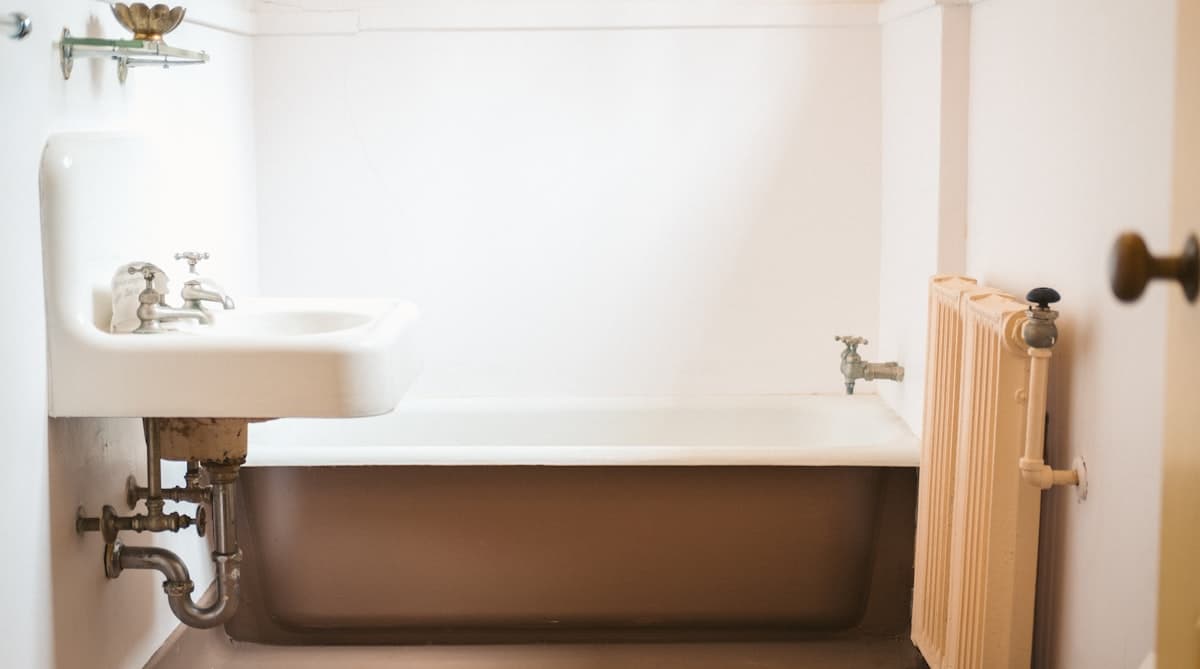
Why Bathroom Caulk Matters
Caulk is the flexible seal between your tub, shower, or sink and the surrounding walls. When it fails, water seeps behind walls, under flooring, and into your home's structure.
Water damage behind walls. Even a small gap lets water wick into drywall and wall framing during every shower, saturating materials that were never designed to stay wet.
Mold growth. Damp cavities behind tile and drywall are ideal for mold. Once mold takes hold inside a wall, surface cleaning will not solve the problem, and remediation can cost thousands.
Structural rot. Prolonged moisture causes wood framing and subfloor sheathing to soften and rot. A rotted subfloor around a bathtub nearly always traces back to failed caulk that was ignored too long.
Recaulking takes about an hour and costs less than $10 in materials. If you are planning a broader DIY bathroom remodel on a budget, fresh caulk should be the first item on your list.
Choosing the Right Caulk
100 Percent Silicone
Best for any joint with direct water exposure: tub-to-wall seams, shower floor-to-wall joints, shower door frames, and toilet bases. Silicone is waterproof, flexible, and mold-resistant. Choose a "kitchen and bath" formula with mildewcide. The trade-offs: it cannot be painted, has a stronger odor, and is harder to smooth than latex.
Recommended products: GE Silicone II Kitchen and Bath, DAP 100% Silicone Kitchen and Bath.
Acrylic Latex Caulk with Silicone
Best for joints that will be painted -- baseboards, door casings, and trim. It is easier to apply, cleans up with water, and accepts paint, but it is not waterproof enough for showers or tub surrounds.
Recommended products: DAP Alex Plus, GE Siliconized Acrylic Kitchen and Bath.
Silicone-Latex Blend (Hybrid)
Hybrid caulks balance water resistance with paintability. They work for moderate-moisture areas like sink-to-countertop joints and backsplash edges, but pure silicone remains the better choice for tubs and showers.
Recommended products: DAP Kwik Seal Ultra, Loctite Polyseamseal Tub and Tile.
Quick Selection Guide
| Location | Recommended Type |
|---|---|
| Tub-to-wall seam | 100% silicone |
| Shower floor-to-wall | 100% silicone |
| Shower door frame | 100% silicone |
| Toilet base | 100% silicone |
| Sink-to-countertop | Silicone or hybrid |
| Backsplash-to-countertop | Silicone or hybrid |
| Trim and baseboards | Acrylic latex with silicone |
Tools and Materials
Gather everything before you start so you are not searching for supplies mid-project.
| Item | Approximate Cost |
|---|---|
| Caulk (kitchen and bath formula) | $5 - $10 per tube |
| Caulk gun (dripless model recommended) | $5 - $15 |
| Utility knife with fresh blades | $5 - $10 |
| Caulk remover tool (plastic scraper) | $5 - $8 |
| Chemical caulk softener (optional) | $6 - $10 |
| Painter's tape (1-inch width) | $4 - $6 |
| Isopropyl alcohol (90%+) or mineral spirits | $3 - $5 |
| Denatured alcohol (for silicone cleanup) | $8 - $12 |
| Paper towels or clean rags | on hand |
| Spray bottle with soapy water | on hand |
Total cost: roughly $30 to $50 if you buy everything new.
Step 1: Remove the Old Caulk Completely
New caulk will not bond to old caulk. Skipping this step is the most common reason recaulking jobs fail.
- Apply a chemical caulk softener (such as DAP Caulk-Be-Gone) along the existing bead and let it sit for two to three hours. This is especially helpful for old silicone.
- Score both edges of the caulk line with a sharp utility knife to break the bond on each surface.
- Pull the caulk away in strips using a plastic caulk remover tool. Pull at an angle to peel out the longest strips possible.
- Scrape remaining residue with the plastic tool. Avoid metal scrapers on acrylic or fiberglass -- they scratch. A razor blade scraper works well on porcelain and ceramic tile.
- Inspect the joint. If you see dark mold on the drywall or substrate, clean it with one part bleach to ten parts water and let it dry fully.
Step 2: Clean the Surface
Caulk -- especially silicone -- will not adhere to surfaces contaminated with soap residue, body oils, or cleaning product film.
- Wipe both surfaces with isopropyl alcohol (90% or higher) or mineral spirits on a clean rag.
- For mildew stains on tile or grout near the joint, scrub with a bleach solution, rinse, then wipe with alcohol.
- Let the surfaces dry completely -- at least 30 minutes. Silicone will not bond to a damp surface.
Step 3: Apply Painter's Tape for Straight Lines
This step is optional but recommended for beginners and for long, visible runs like the tub-to-wall seam.
- Apply tape along the wall about 3/16 inch above the joint.
- Apply a second strip along the tub about 3/16 inch below the joint.
- The gap between the strips defines the bead width. Keep it consistent at 1/8 to 3/16 inch.
- Press tape edges firmly to prevent caulk from bleeding underneath.
You will remove the tape in Step 8 while the caulk is still wet.
Step 4: Fill the Tub with Water
This step makes a meaningful difference for bathtub caulk longevity. An empty tub sits slightly higher than a full one. When filled, 300 to 500 pounds of water pulls the tub down and opens the gap between the tub edge and the wall. Caulk applied to an empty tub stretches every time the tub is used, leading to cracks.
Fill the tub to its normal bath level before caulking. You seal the joint at its widest point, and the caulk compresses rather than stretches during use. Compressed caulk holds; stretched caulk fails.
This applies to bathtubs only. Showers and sinks do not have the same weight-related movement.
Step 5: Cut the Caulk Tube Tip
- Cut the nozzle at a 45-degree angle with a utility knife.
- Start with a small opening -- about 1/8 inch. You can always cut more off, but you cannot make it smaller.
- Puncture the inner seal with the rod on your caulk gun or a long nail.
- Load the tube into the gun with the angled cut facing the direction you will pull.
Beginners almost always cut the tip too large, which dispenses too much caulk and creates a messy bead.
Step 6: Apply Caulk in One Continuous Bead
- Hold the gun at a 45-degree angle with the tip opening facing into the gap.
- Squeeze with steady, even pressure and move at a consistent speed.
- Work in two-foot to three-foot sections for long runs. Silicone skins over in 5 to 10 minutes, so smooth each section before moving on.
- Keep the tip close to the surface. Lifting it away creates a stringy, uneven line.
- Pull the gun toward you for a clearer view and a more consistent bead.
If you make a mistake, wipe the section clean immediately with denatured alcohol (for silicone) or a wet rag (for latex) and reapply.
Step 7: Smooth the Bead
With your finger: Dip your index finger in soapy water (a few drops of dish soap in water). Run it along the bead in one smooth pass with light, even pressure. The goal is a slightly concave profile that sheds water.
With a smoothing tool: Select a profile that matches your bead width, dip it in soapy water, and draw it along in one pass.
Tips for a clean finish:
- One continuous pass per section. Going back and forth creates drag marks.
- Wipe excess caulk off your finger or tool onto a damp paper towel after each pass.
- Work quickly before the silicone skins over.
- If a section looks wrong, wipe it clean and reapply rather than trying to fix it.
Step 8: Remove Tape and Let Cure
- Pull the tape immediately while the caulk is still wet. Remove each strip at a 45-degree angle, pulling away from the caulk line.
- Lightly smooth any small imperfections at the tape edge with a damp fingertip.
- Do not use the tub, shower, or sink for 24 hours. Silicone is touch-dry in under an hour but needs a full day to cure and form a watertight bond.
- Open the bathroom door or run the exhaust fan to promote airflow during curing.
- Drain the tub after caulking. The caulk will hold its shape as the tub returns to its empty position.
Where to Caulk in a Bathroom
Several joints beyond the tub need a caulk seal:
- Tub-to-wall seam. The most critical joint. Caulk the entire perimeter where the tub lip meets the wall or tile surround.
- Shower floor-to-wall. Water pools here constantly. Use pure silicone.
- Shower door frame. Caulk the outside edges where the frame meets tile. Do not caulk the inside bottom of the door track -- it must stay open for drainage.
- Sink-to-countertop. Prevents water from running under the sink rim and damaging the vanity cabinet.
- Toilet base. Required by many plumbing codes. Prevents water from seeping under the toilet and stops odors. Leave a small gap at the back so a wax-seal leak is visible rather than trapped.
- Backsplash-to-countertop. Use caulk here instead of grout because the two surfaces expand at different rates.
Common Caulking Mistakes
Cutting the tip too large. An oversized opening dispenses too much caulk, creating a thick bead that is difficult to smooth. Start at 1/8 inch.
Going too fast. Speed creates an uneven bead with thin and thick spots. Practice on cardboard first if you are a beginner.
Not removing old caulk. New caulk bonds to surfaces, not to old caulk. Always strip the old material completely.
Using the wrong type. Acrylic latex in a shower breaks down within months. Silicone on painted trim cannot be painted over. Match the product to the location.
Caulking a dirty or damp surface. The bead may look fine at first but will peel away within weeks.
Skipping the filled-tub step. This is the most common cause of cracked tub caulk within the first year.
Not smoothing the bead. An unsmoothed bead collects soap scum and mildew faster because the rough surface provides more area for buildup.
When to Call a Professional
Most homeowners can achieve professional-looking results with patience and proper preparation. However, call in help if you discover mold extending into drywall or framing, a tub surround that has shifted away from the wall, or a soft and spongy subfloor that indicates structural damage. Sealing over a moisture problem only makes it worse. Contact a licensed plumber or bathroom specialist for an assessment if you are unsure about the extent of the damage.
A Small Job That Prevents Big Problems
Recaulking a bathtub, shower, or sink is one of the most cost-effective maintenance tasks you can perform. A $7 tube of silicone and under an hour of work can prevent water damage, mold, and structural rot that would cost thousands to repair. Follow the steps in this guide -- remove old caulk completely, clean the surface, fill the tub, and work in short sections -- and you will get a result that looks professional and lasts for years. For more projects to tackle on the same weekend, check out our complete guide to a DIY bathroom remodel on a budget.
Editorial note: This guide was written and reviewed by our editorial team. Cost estimates reflect national averages and may vary by region. Read our editorial standards.
Frequently Asked Questions
Related Articles
Water Heater Troubleshooting: Fix Common Problems Yourself
Diagnose and fix common water heater problems including no hot water, strange noises, leaks, and rusty water. Covers both tank and tankless units.
How to Fix a Running Toilet: 5 Easy DIY Fixes
Stop a running toilet with these simple DIY fixes. Learn how to diagnose and repair a faulty flapper, fill valve, float, and overflow tube step by step.
How to Unclog a Drain - DIY Tips
Learn simple steps to unclog any drain at home. Step-by-step guide with tools list and when to call a professional plumber.