How Much Does a Kitchen Remodel Cost in 2026?
By Editorial Team
Last updated: February 27, 2026
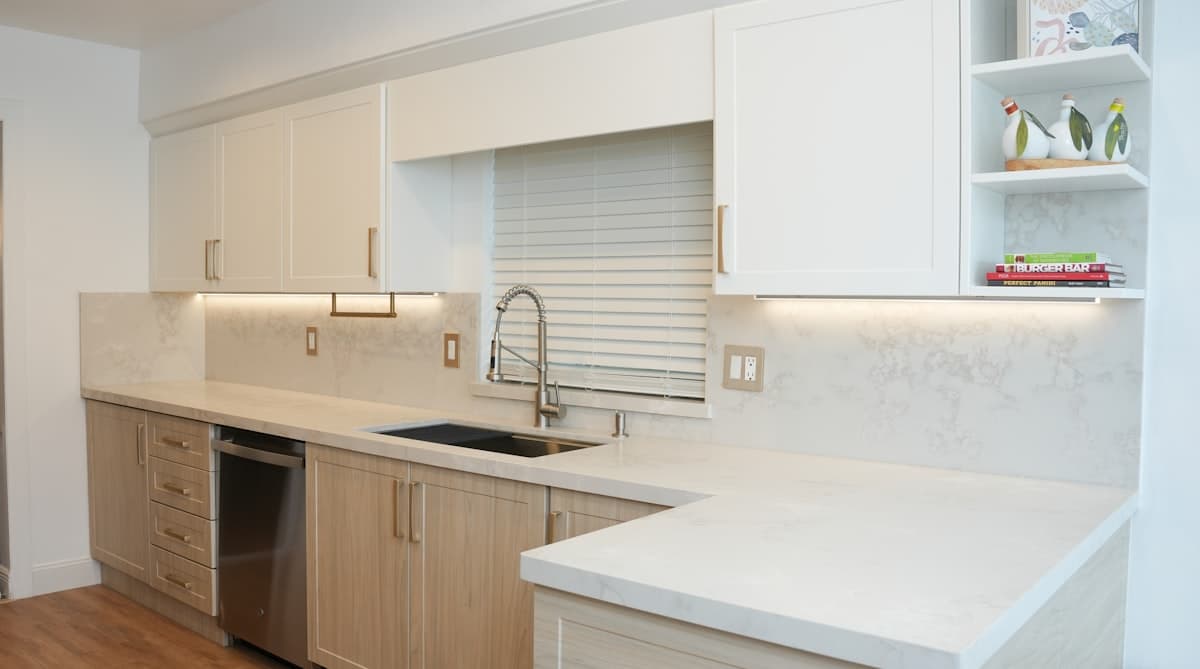
Why Kitchen Remodel Costs Vary So Much
A kitchen remodel is consistently one of the most expensive home improvement projects, and the price range is enormous. One homeowner spends $12,000 refreshing surfaces and hardware. Another spends $120,000 gutting the room and rebuilding it from the ground up. Both call it a kitchen remodel.
The wide variation comes down to three factors: the scope of the project, the quality of materials, and local labor rates. A cosmetic refresh that keeps the existing layout and replaces only visible surfaces is a fundamentally different project from a full renovation that moves plumbing, reroutes electrical circuits, and installs custom cabinetry. Understanding where your project falls on this spectrum is the first step toward setting a realistic budget.
As of early 2026, the national average for a mid-range kitchen remodel lands between $35,000 and $45,000. That figure includes new cabinets, countertops, flooring, appliances, a backsplash, and professional labor, but assumes the existing kitchen layout stays roughly the same. Change the layout, choose premium materials, or live in a high-cost metro area, and the number climbs quickly.
Cost Breakdown by Project Scope
Kitchen remodels generally fall into three tiers. Knowing which tier fits your goals and budget is the most important planning decision you will make.
Minor / Cosmetic Remodel: $15,000 to $30,000
A minor remodel freshens the kitchen without changing the fundamental layout or structure. This is the right approach when the kitchen functions well but looks outdated.
Typical scope includes:
- Refinishing or painting existing cabinet boxes and replacing doors and drawer fronts
- Installing new countertops over the existing base cabinets
- Upgrading hardware (knobs, pulls, hinges)
- Adding or replacing the backsplash
- Painting walls and ceiling
- Replacing the sink and faucet
- Updating light fixtures
- Keeping existing appliances or replacing one or two
This level of renovation delivers a strong visual transformation at a manageable price. If your cabinets are structurally sound and the layout works for your household, a cosmetic remodel is often the smartest investment.
Mid-Range Remodel: $30,000 to $75,000
A mid-range remodel replaces most of the visible and functional elements in the kitchen while keeping the same general footprint. This is the most common scope for homeowners who want a meaningful upgrade.
Typical scope includes:
- New semi-custom cabinets
- Stone or engineered-stone countertops (granite, quartz)
- New mid-range appliance package (refrigerator, range, dishwasher, microwave)
- New flooring throughout the kitchen
- Tile or stone backsplash
- New sink, faucet, and garbage disposal
- Updated lighting (recessed cans, under-cabinet lighting, a pendant or two)
- Minor plumbing and electrical updates to accommodate new fixtures
- Fresh paint
The national average of $35,000 to $45,000 falls squarely in this tier. Homeowners who choose quartz countertops, soft-close semi-custom cabinets, and a stainless steel appliance package typically land in the $40,000 to $55,000 range after labor.
Major / Upscale Remodel: $75,000 to $150,000+
A major remodel involves structural changes, custom materials, and premium finishes. This tier is appropriate when the existing kitchen layout does not function well or when the homeowner wants a showpiece kitchen.
Typical scope includes:
- Custom cabinetry built to specification
- Premium countertops (marble, high-end quartz, quartzite)
- Professional-grade or luxury appliances
- Hardwood or premium tile flooring
- Structural changes (removing walls, adding an island, expanding the footprint)
- Relocated plumbing and electrical
- Custom lighting design
- Built-in storage solutions (pull-out shelving, spice racks, appliance garages)
- Designer backsplash (handmade tile, natural stone mosaic)
Projects at this level frequently exceed $100,000, especially in major metropolitan areas where labor rates are highest. Moving a gas line, adding a load-bearing beam to open up a wall, or running new plumbing for an island sink can each add $2,000 to $8,000 to the budget.
Detailed Cost by Component
The following table breaks down what each major kitchen component costs in 2026, covering the range from budget to premium options. These figures include materials only; labor costs are addressed separately below.
Cabinets
Cabinets are the single largest line item in most kitchen remodels, typically accounting for 25 to 35 percent of the total budget.
| Cabinet Type | Cost for a Typical Kitchen (10-15 Linear Feet) | Description |
|---|---|---|
| Stock cabinets | $3,000 - $8,000 | Pre-manufactured in standard sizes. Available off the shelf at home improvement stores. Limited finish and configuration options. |
| Semi-custom cabinets | $8,000 - $18,000 | Factory-built but with more size, finish, and feature options than stock. Most popular choice for mid-range remodels. |
| Custom cabinets | $18,000 - $35,000+ | Built to exact specifications by a cabinet maker. Unlimited sizes, materials, and configurations. Longest lead time. |
| Cabinet refacing | $4,000 - $10,000 | Keeps existing cabinet boxes, replaces doors and drawer fronts, and applies new veneer to exposed surfaces. |
| Cabinet painting/refinishing | $1,500 - $5,000 | Professional spray-painting or staining of existing cabinets. Most cost-effective option when boxes are in good condition. |
Stock cabinets have improved significantly in quality over the past decade. For many kitchens, stock or semi-custom cabinets with soft-close hinges and full-extension drawers deliver excellent function without the premium price of custom work.
Countertops
| Countertop Material | Cost Per Square Foot (Installed) | Cost for 30 Sq Ft | Durability |
|---|---|---|---|
| Laminate | $15 - $40 | $450 - $1,200 | Good for the price; vulnerable to heat and scratches |
| Butcher block | $40 - $80 | $1,200 - $2,400 | Warm appearance; requires regular oiling and maintenance |
| Granite | $50 - $120 | $1,500 - $3,600 | Extremely durable; each slab is unique |
| Quartz (engineered stone) | $55 - $130 | $1,650 - $3,900 | Non-porous, consistent color; no sealing required |
| Marble | $75 - $200 | $2,250 - $6,000 | Beautiful but porous; etches easily from acidic substances |
| Quartzite | $80 - $200 | $2,400 - $6,000 | Natural stone; harder than granite but expensive |
Quartz has become the most popular countertop material for mid-range kitchen remodels because it combines the look of natural stone with low maintenance. Unlike granite and marble, it never needs sealing.
Appliances
| Appliance Tier | Typical Package Cost (Refrigerator, Range, Dishwasher, Microwave) | Brands |
|---|---|---|
| Budget | $2,500 - $4,500 | Frigidaire, Amana, Hotpoint |
| Mid-range | $4,500 - $8,000 | Samsung, LG, Whirlpool, KitchenAid |
| Premium | $8,000 - $15,000 | Bosch, GE Profile, Cafe |
| Luxury/Professional | $15,000 - $35,000+ | Sub-Zero, Wolf, Thermador, Viking |
Buying appliances as a package from a single manufacturer often qualifies for bundle discounts of 10 to 20 percent. Major holiday sales (Presidents' Day, Memorial Day, Labor Day, Black Friday) offer additional savings that can cut $500 to $2,000 from the total appliance bill.
Flooring
| Flooring Type | Cost Per Square Foot (Installed) | Cost for 150 Sq Ft Kitchen |
|---|---|---|
| Luxury vinyl plank (LVP) | $3 - $8 | $450 - $1,200 |
| Ceramic or porcelain tile | $6 - $15 | $900 - $2,250 |
| Engineered hardwood | $8 - $16 | $1,200 - $2,400 |
| Solid hardwood | $10 - $20 | $1,500 - $3,000 |
| Natural stone tile | $15 - $30 | $2,250 - $4,500 |
Luxury vinyl plank has surged in popularity for kitchens because it is waterproof, durable, comfortable underfoot, and available in convincing wood and stone patterns. For kitchens where water exposure is a concern, LVP or tile outperforms solid hardwood.
Backsplash
| Backsplash Type | Cost Per Square Foot (Installed) | Cost for 30 Sq Ft |
|---|---|---|
| Ceramic subway tile | $8 - $15 | $240 - $450 |
| Glass tile | $15 - $30 | $450 - $900 |
| Natural stone mosaic | $20 - $40 | $600 - $1,200 |
| Handmade or designer tile | $30 - $60+ | $900 - $1,800+ |
A classic white subway tile backsplash remains one of the best values in kitchen design. It is affordable, timeless, and works with virtually any cabinet and countertop combination.
Plumbing and Electrical
| Item | Typical Cost |
|---|---|
| New sink and faucet installation (same location) | $400 - $1,000 |
| Relocating sink plumbing to a new position | $1,500 - $3,500 |
| Garbage disposal installation | $150 - $400 |
| Adding or moving a gas line | $500 - $2,500 |
| Upgrading electrical panel for new appliances | $1,000 - $3,000 |
| Adding dedicated electrical circuits | $200 - $500 per circuit |
| Under-cabinet and recessed lighting installation | $800 - $2,500 |
Plumbing and electrical modifications can add significant cost. Keeping the sink, dishwasher, and range in their existing locations avoids the most expensive mechanical work.
Labor Costs
Labor typically represents 20 to 35 percent of a kitchen remodel's total cost. In high-cost metro areas (New York City, San Francisco, Boston, Los Angeles), labor can reach 40 percent.
| Trade | Typical Hourly Rate | Common Kitchen Tasks |
|---|---|---|
| General contractor | $50 - $100/hr | Project management, framing, drywall, trim |
| Cabinet installer | $50 - $90/hr | Cabinet assembly, leveling, mounting |
| Plumber | $75 - $130/hr | Sink, dishwasher, gas line connections |
| Electrician | $75 - $130/hr | Circuits, outlets, lighting, panel work |
| Tile installer | $50 - $100/hr | Backsplash, floor tile |
| Countertop fabricator/installer | Typically bid per job | Template, fabrication, and installation of stone tops |
A general contractor who manages the entire project typically charges 15 to 25 percent of the total project cost as their fee, on top of the subcontractor rates above. This covers scheduling, permitting, quality control, and problem-solving. For projects over $30,000, a good general contractor usually saves you more in avoided mistakes and time than their fee costs.
Hidden Costs Most People Miss
Nearly every kitchen remodel runs into expenses that were not in the original plan. Budgeting an additional 15 to 20 percent for contingencies is standard advice, and here is where that money tends to go.
Permits
Most municipalities require building permits for kitchen remodels that involve electrical, plumbing, or structural work. Permit fees range from $200 to $2,000 depending on the scope and jurisdiction. Skipping permits to save money is a false economy -- unpermitted work can create serious problems when you sell the home and may void your homeowners insurance coverage for related damage.
Demolition and Disposal
Tearing out the old kitchen generates a surprising volume of debris. A dumpster rental for a kitchen demo costs $300 to $600 for a 10-to-15-yard container. If your contractor handles demolition, this cost is typically included in their bid, but confirm it.
Temporary Kitchen Setup
A full kitchen remodel takes weeks. During that time, you need somewhere to prepare food. Setting up a temporary kitchen in the garage, dining room, or basement with a microwave, mini-fridge, electric kettle, and a folding table helps maintain sanity. Budget $100 to $300 for supplies if you do not already have portable appliances. The less obvious cost is eating out more often -- most families report spending an additional $500 to $1,500 on takeout and restaurant meals during a kitchen remodel.
Surprises Behind the Walls
Once demolition begins, the unexpected appears. Common discoveries include:
- Water damage or mold behind the sink or dishwasher area ($500 to $3,000 to remediate)
- Outdated or non-code-compliant wiring that must be replaced ($500 to $2,000)
- Inadequate subflooring that needs reinforcement before new flooring goes down ($500 to $1,500)
- Lead paint or asbestos in homes built before 1980 ($500 to $3,000 for testing and abatement)
Lead paint is an especially important concern in older homes. If your home was built before 1978, federal law requires that any contractor disturbing more than six square feet of painted surface be EPA Lead-Safe certified. This is not optional -- the fines for non-compliance are substantial, and the health risks of lead dust exposure are real. Ask your contractor about their lead-safe work practices before demolition begins.
Upgraded Subfloor and Drywall
If the existing subfloor is uneven or damaged, it must be repaired or replaced before new flooring is installed. Similarly, removing old tile backsplash often damages the drywall behind it, requiring patching or replacement. Budget $500 to $1,500 for these types of repairs.
Ways to Save Money Without Sacrificing Quality
A kitchen remodel does not have to cost a fortune. The following strategies can cut your total cost by 20 to 40 percent while still delivering a kitchen you will be happy with for years.
Reface Instead of Replacing Cabinets
If your cabinet boxes are solid and the layout works, refacing saves $8,000 to $20,000 compared to new semi-custom or custom cabinets. Refacing replaces the doors, drawer fronts, and visible surfaces while keeping the existing structure. The result looks like a brand-new kitchen at roughly half the cabinetry cost.
Keep the Existing Layout
Moving the sink, dishwasher, or range to a different wall means rerouting plumbing, drain lines, gas lines, and electrical -- the most expensive mechanical work in a kitchen remodel. Keeping everything in its current location and focusing your budget on better materials and finishes is often a smarter use of limited funds.
Do Your Own Demolition
Demolition does not require specialized skills. Removing old countertops, cabinets, flooring, and backsplash yourself can save $1,000 to $3,000 in labor. Rent a dumpster, watch a few videos on proper technique, turn off the water and power to the kitchen, and take your time. Just be careful around plumbing and wiring -- disconnect, do not cut.
Buy Appliances During Sales Events
Appliance prices fluctuate throughout the year. The best deals consistently arrive during Presidents' Day weekend, Memorial Day weekend, Labor Day weekend, and Black Friday through Cyber Monday. Planning your purchase around these events can save 15 to 30 percent. Many retailers also offer package rebates when you buy three or more appliances from the same brand.
Choose Stock or Semi-Custom Cabinets
The quality gap between stock and custom cabinets has narrowed significantly. Many stock cabinet lines now offer soft-close hinges, dovetail drawers, and plywood construction -- features that were once exclusive to custom work. Unless you have an unusual kitchen layout that requires non-standard sizes, stock or semi-custom cabinets deliver excellent value.
Opt for Quartz Over Marble
Quartz countertops cost less than marble, require zero maintenance, resist stains and etching, and are available in patterns that closely mimic natural stone. For a kitchen that sees daily use, quartz is the more practical and affordable choice.
When to DIY vs. Hire a Professional
Some kitchen remodel tasks are well-suited for DIY. Others should always be left to licensed professionals. Here is how to draw the line.
Safe to DIY
- Painting walls and ceilings -- standard interior painting requires no special skills
- Demolition -- removing old cabinets, countertops, backsplash, and flooring
- Installing cabinet hardware -- knobs, pulls, and hinges
- Assembling and installing stock cabinets -- if you are comfortable with precise measuring and leveling
- Installing a tile backsplash -- a manageable project with readily available tools
- Installing luxury vinyl plank flooring -- click-lock systems are designed for DIY installation
- Replacing a faucet or garbage disposal -- basic plumbing swaps with shut-off valves accessible
Always Hire a Licensed Professional
- Structural changes -- removing or modifying load-bearing walls requires an engineer's assessment and a permit
- Gas line work -- connecting, extending, or moving gas lines is dangerous and requires a licensed plumber or gas fitter
- Electrical panel upgrades and new circuits -- improper electrical work causes fires. This is not a place to cut costs
- Plumbing rough-in -- moving drain lines or supply lines within walls should be done by a licensed plumber
- Countertop fabrication and installation -- stone countertops are heavy, expensive, and unforgiving of measurement errors. Professional templating and installation are worth every dollar
The general rule: if the work requires a permit, it should be done by a licensed professional. If something goes wrong with unpermitted DIY electrical or plumbing work, your homeowners insurance may deny the claim.
How Long Does a Kitchen Remodel Take?
Timeline expectations are just as important as budget expectations. Underestimating how long the project will take leads to frustration and pressure to rush, which leads to mistakes.
| Project Scope | Typical Timeline | Notes |
|---|---|---|
| Cosmetic refresh (paint, hardware, backsplash, fixtures) | 1 - 2 weeks | Can often be done in stages while the kitchen remains usable |
| Minor remodel (refaced cabinets, new countertops, new flooring) | 3 - 5 weeks | Kitchen is partially unusable during countertop and flooring installation |
| Mid-range remodel (new cabinets, countertops, appliances, flooring) | 6 - 10 weeks | Kitchen is fully out of service for most of the project |
| Major remodel with structural changes | 10 - 16 weeks | Includes time for permits, engineering, and inspections |
These timelines assume materials are ordered and available before work begins. Custom cabinets can take 6 to 12 weeks from order to delivery, and stone countertops require templating after cabinets are installed, adding another 1 to 3 weeks. Order materials early to avoid dead time in the schedule.
Weather does not affect kitchen remodels the way it affects roof replacements, but supply chain delays, permit processing times, and contractor availability can all extend the timeline. Build a two-week buffer into your expectations.
Planning Your Kitchen Remodel Budget
A kitchen remodel is a significant financial commitment, but it is also one of the home improvements that adds the most value to a property. A mid-range kitchen remodel typically recoups 60 to 75 percent of its cost at resale, and the daily quality-of-life improvement is immediate.
Start by defining your scope honestly. Decide whether you are doing a cosmetic refresh, a mid-range renovation, or a full gut-and-rebuild. Then work through each component in the cost tables above and build a line-item budget. Add 15 to 20 percent for contingencies.
Get at least three detailed written estimates from contractors. Each estimate should break out materials, labor, permits, and disposal separately so you can compare them accurately. Be wary of any bid that is dramatically lower than the others -- it usually means something has been left out.
If you are still in the early planning stages and want to understand how much your specific project might cost, our free cost estimator can give you a ballpark based on your kitchen size, material choices, and location. Have questions about planning your kitchen remodel? Visit our contact page and we will help point you in the right direction.
A well-planned kitchen remodel -- at any budget level -- is one of the most rewarding projects you can undertake as a homeowner. Take the time to plan thoroughly, budget realistically, and hire the right people for the work that matters most.
Editorial note: This guide was written and reviewed by our editorial team. Cost estimates reflect national averages and may vary by region. Read our editorial standards.
Frequently Asked Questions
Related Articles
How to Patch and Repair Drywall Like a Pro
Fix holes, dents, and cracks in drywall yourself. Step-by-step guide covering nail pops, small holes, medium holes, and large drywall repairs with a smooth finish.
How to Paint a Room Like a Pro: Complete Step-by-Step Guide
Learn how to paint a room from start to finish, including prep work, priming, cutting in edges, rolling walls, and cleanup. Get professional results on a DIY budget.