Window Replacement Cost: What to Expect in 2026
By Editorial Team
Last updated: February 23, 2026
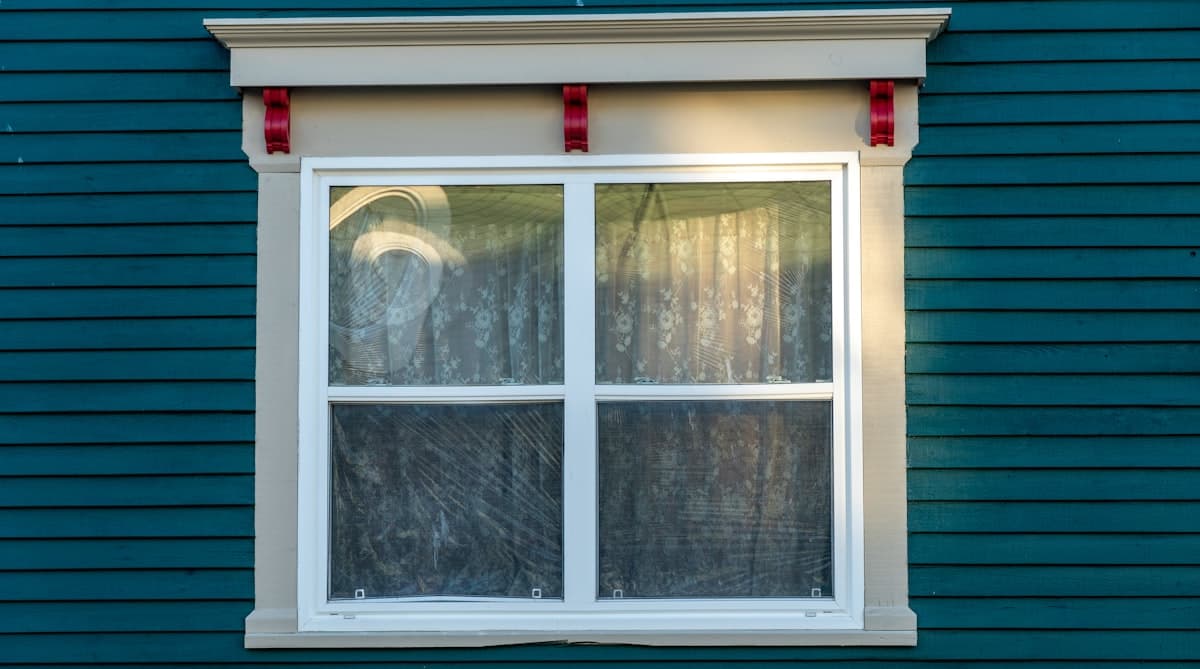
How Much Does Window Replacement Cost?
Replacing windows is one of those home improvement projects that affects everything -- your energy bills, your comfort, the way your home looks from the street, and even how much noise you hear from outside. But the cost can vary enormously depending on the type of window, the frame material, the installation method, and where you live.
As of early 2026, the average cost to replace a single window ranges from $300 to $1,200 installed, with most homeowners paying $400 to $800 per window for a standard double-hung or casement window with a vinyl or fiberglass frame. For a whole-house replacement on a typical home with 15 to 20 windows, the total project cost falls between $6,000 and $18,000 for vinyl windows or $10,000 and $25,000 for wood-frame windows.
Understanding the variables that drive these costs will help you budget accurately and make smarter choices.
Cost by Window Type
The style of window you choose is the first major cost factor. Each type has a different price range based on its mechanism, size, and complexity.
| Window Type | Cost Per Window (Installed) | Best For |
|---|---|---|
| Single-hung | $200 - $450 | Budget-friendly replacement; bedrooms, hallways |
| Double-hung | $300 - $600 | Most rooms; easy to clean from inside |
| Casement (crank-out) | $350 - $700 | Kitchens, bathrooms; excellent ventilation and seal |
| Sliding | $250 - $500 | Wide openings; basements, patios |
| Bay or bow | $1,500 - $4,000 | Living rooms, dining rooms; adds dimension and light |
| Picture (fixed) | $300 - $800 | Large views where ventilation is not needed |
Single-hung windows have one movable sash (the bottom) and one fixed sash (the top). They are the most affordable option.
Double-hung windows allow both sashes to move, and most modern double-hungs tilt inward for easy cleaning. They are the most popular replacement window in the United States.
Casement windows hinge on one side and crank outward. The sash presses tightly against the frame when closed, creating an excellent air seal -- making them one of the most energy-efficient operable window types.
Bay and bow windows project outward from the house, creating a shelf or seating area inside. They cost significantly more because they require structural support and include three to five individual panels.
Cost by Frame Material
The frame material affects price, durability, maintenance requirements, and energy performance. Here is what each option costs and how it performs.
| Frame Material | Cost Per Window (Installed) | Maintenance | Energy Efficiency | Lifespan |
|---|---|---|---|---|
| Vinyl | $200 - $500 | Very low; no painting or staining | Good to excellent | 20 - 40 years |
| Fiberglass | $400 - $800 | Very low; paintable | Excellent | 30 - 50 years |
| Wood | $500 - $1,200 | High; requires regular painting or staining | Good (when maintained) | 30 - 50+ years |
| Aluminum | $300 - $600 | Low; may corrode in coastal climates | Fair (conducts heat) | 20 - 30 years |
| Composite | $500 - $900 | Low; resists rot and insects | Good to excellent | 30 - 40 years |
Vinyl is the most popular choice for replacement windows. It is the least expensive option, never needs painting, resists moisture and rot, and provides solid energy performance. Modern vinyl frames feature multi-chamber construction and welded corners for structural strength. The main downside is limited color options, and vinyl cannot be repainted.
Fiberglass is stronger and more dimensionally stable than vinyl, meaning it expands and contracts less with temperature changes. This tighter fit translates to better energy efficiency and a longer lifespan. Fiberglass can also be painted. The tradeoff is a higher price point.
Wood offers a warm, traditional appearance preferred in older or historically styled homes. It insulates well and can be painted or stained to match any exterior. However, wood requires ongoing maintenance to prevent rot, warping, and insect damage. Many manufacturers now offer wood frames with aluminum or vinyl cladding on the exterior to reduce upkeep.
Aluminum is lightweight, durable, and affordable, but metal conducts heat readily, making aluminum frames a poor choice in extreme climates unless they include a thermal break. Aluminum works best in mild climates.
Composite frames blend wood fibers and polymers to resist rot and insects while offering good thermal performance. They fall between vinyl and wood in both price and appearance.
Full-Frame Replacement vs. Insert Replacement
How the window is installed affects both cost and disruption. The right method depends on the condition of your existing window frames.
Insert Replacement (Retrofit)
An insert replacement fits a new window unit into the existing window frame, leaving the original frame, trim, and exterior siding undisturbed. This is the faster, less expensive, and less invasive option.
- Cost: Typically $150 to $300 less per window than full-frame replacement
- Timeline: An experienced crew can install 10 to 15 insert windows per day
- Best when: The existing frame is structurally sound, level, and free of rot or water damage
Insert replacement is the right choice for most projects. It avoids the cost of removing and replacing exterior trim, siding, and interior casing. The tradeoff is that the glass area is slightly smaller than the original because the new window fits inside the old frame.
Full-Frame Replacement (New Construction)
A full-frame replacement removes the entire window unit down to the rough opening. A new window with its own frame is installed, and new trim is applied.
- Cost: Typically $150 to $400 more per window than insert replacement
- Timeline: Slower; 6 to 10 full-frame windows per day depending on complexity
- Best when: The existing frame is rotted, warped, water-damaged, or out of square; when you want to change the window size or style; during major renovations or new construction
Full-frame replacement is more disruptive and expensive, but it is the only option when the existing frame is compromised. It also maximizes the glass area and ensures a clean, tight installation.
Energy Efficiency Ratings Explained
Understanding energy performance ratings helps you choose windows that will deliver real savings. These numbers appear on the window's label and in the manufacturer's specifications.
U-Factor
U-factor measures how well a window prevents heat from escaping. It ranges from about 0.15 to 1.20. A lower U-factor means better insulation. For most climates, look for a U-factor of 0.30 or below. In cold northern climates, a U-factor of 0.25 or below is ideal.
Solar Heat Gain Coefficient (SHGC)
SHGC measures how much solar radiation passes through the glass as heat, ranging from 0 to 1. In hot southern climates, a low SHGC (0.25 or below) reduces cooling costs. In cold northern climates, a higher SHGC (0.30 to 0.40) lets the sun help heat your home in winter.
Energy Star Certification
Energy Star-certified windows meet strict performance thresholds set by the EPA for both U-factor and SHGC, tailored to four U.S. climate zones (Northern, North-Central, South-Central, and Southern). Choosing an Energy Star-certified window for your climate zone ensures solid energy performance without having to evaluate each specification individually.
Energy Star certification is also a requirement for qualifying for federal tax credits, which can offset a meaningful portion of your window replacement cost.
If you are unsure how much energy your current windows are wasting, our energy savings quiz can help you estimate the potential savings from upgrading.
Low-E Coatings and Gas Fills
Most energy-efficient windows include a low-emissivity (low-E) coating on the glass that reflects infrared heat while allowing visible light through. Double-pane windows filled with argon or krypton gas provide additional insulation. Triple-pane windows offer the best thermal performance but cost 25 to 40 percent more than double-pane units.
Federal Tax Credits and Rebates
The Inflation Reduction Act, signed into law in 2022, extended and expanded federal tax credits for energy-efficient home improvements through 2032. Window replacement is one of the qualifying improvements.
What You Can Claim
- 30 percent of the product cost for qualifying Energy Star Most Efficient windows, up to a maximum credit of $600 per year for windows specifically
- The credit applies to the cost of the windows themselves, not installation labor
- This is a tax credit, not a deduction, meaning it directly reduces the tax you owe dollar for dollar
How to Qualify
- The windows must be Energy Star Most Efficient certified for your climate zone
- They must be installed in your primary residence (not rental properties or second homes)
- You must claim the credit on IRS Form 5695 when filing your annual tax return
- Keep receipts, the manufacturer's certification statement, and the Energy Star label documentation
State and Utility Rebates
Many state governments and local utilities offer additional rebates of $50 to $200 per window. Check your utility provider's website or the DSIRE database to search programs by zip code. Between federal credits and local rebates, you can realistically recover $1,000 to $3,000 of a whole-house window replacement cost.
Signs You Need New Windows
Not every older window needs to be replaced. But there are clear signals that your windows have reached the end of their useful life and are costing you money.
- Drafts you can feel. If cold air comes through or around closed windows, the seals or weatherstripping have failed. On single-pane windows, the glass itself provides almost no insulation.
- Condensation between panes. Moisture or fog trapped between the panes of a double-pane window means the seal has broken. The insulating gas escapes and the window loses much of its thermal performance. Individual glass units can sometimes be replaced, but if the frames are old, full replacement is usually more cost-effective.
- Difficulty opening, closing, or locking. Windows that stick, jam, or will not lock are a security and safety concern. The frame has likely warped or the balance mechanism has worn out.
- Visible damage or decay. Soft or cracked wood frames indicate rot. Peeling paint, water stains around interior trim, or visible gaps between the frame and wall all suggest the window assembly is failing.
- Rising energy bills. If heating and cooling costs are climbing without a clear explanation, inefficient windows may be the cause. Windows account for 25 to 30 percent of residential heating and cooling energy use, according to the Department of Energy.
How to Save Money on Window Replacement
Window replacement is a major expense, but several strategies can bring the cost down without sacrificing quality.
Replace Windows in Batches
You do not have to replace every window at once. Prioritize the worst performers first -- single-pane windows, windows on the north side of the house, and windows in rooms you use most. Spreading the project over two or three years makes the cost manageable and lets you claim the federal tax credit each year (up to $600 per year).
Buy During the Off-Season
Window installers are busiest in spring and summer. Scheduling for late fall or winter often means shorter wait times and more competitive pricing. Some manufacturers also run end-of-year clearance sales.
Choose Vinyl Frames
Unless you have a specific aesthetic reason to choose wood or fiberglass, vinyl frames offer the best balance of cost, performance, and longevity. The price difference between vinyl and wood windows can be $200 to $500 per window, which adds up quickly across a whole house.
Get at Least Three Quotes
Pricing can vary 20 to 40 percent between contractors for the same scope of work. Get written estimates from at least three installers, each specifying the window brand and product line, installation method, trim details, and warranty coverage.
Skip Unnecessary Upgrades
Custom grille patterns, decorative glass, between-the-glass blinds, and exotic colors increase the price per window. Standard white or beige vinyl windows with Low-E glass and argon gas fill provide excellent energy performance at the lowest cost. Add upgrades only where they matter to you, such as street-facing windows.
Avoid High-Pressure In-Home Sales
Some national window companies use aggressive sales presentations with inflated initial prices followed by dramatic "discounts." Their final price is often 30 to 50 percent higher than what a local installer charges for a comparable product. Get quotes from independent, locally established contractors instead.
DIY vs. Professional Installation
Whether you can install replacement windows yourself depends largely on the installation method.
Insert Replacement: DIY-Friendly
An insert replacement on a standard rectangular opening is a manageable project for a handy homeowner. The existing frame stays in place, so there is no exterior work and minimal disruption. The process involves removing the old sashes, cleaning and inspecting the frame, dry-fitting the new window, shimming, securing with screws, insulating the gap with low-expansion spray foam, and caulking. Each window takes one to two hours, and doing it yourself saves $100 to $300 per window in labor. The main risk is an improper seal, so precision and careful caulking are essential.
Full-Frame Replacement: Hire a Professional
Full-frame replacement exposes the wall cavity and weather barrier, requires proper flashing and waterproofing, and involves fitting new exterior and interior trim. Mistakes can lead to water intrusion, structural damage, and mold -- problems that cost far more to fix than the labor you saved. For full-frame work, hire a licensed, insured installer. Ask for references, verify their license, and confirm that the warranty covers both the product and workmanship.
Planning Your Window Replacement
Start by walking through your home and noting which windows have visible damage, seal failures, drafts, or operational problems. Prioritize those for immediate replacement. For most homeowners, vinyl double-hung windows with Energy Star certification hit the sweet spot of affordability, energy efficiency, and low maintenance.
Get multiple written quotes, and make sure each bid includes trim, caulking, disposal of old windows, and cleanup. If you want to estimate how much energy you could save with new windows before committing, try our energy savings quiz for a personalized estimate. Have questions about your project? Visit our contact page and we will help point you in the right direction.
New windows are one of the few home improvements that deliver daily comfort benefits, measurable energy savings, and meaningful curb appeal -- all at once. Plan your budget, choose the right contractor, and the investment will pay dividends for decades.
Editorial note: This guide was written and reviewed by our editorial team. Cost estimates reflect national averages and may vary by region. Read our editorial standards.
Frequently Asked Questions
Related Articles
DIY Home Energy Audit: Find Where Your Home Is Wasting Energy
Perform a DIY home energy audit to identify insulation gaps, air leaks, and inefficient appliances. Save money on utility bills with this room-by-room guide.
How to Install a Ceiling Fan Step by Step
Learn how to install a ceiling fan yourself with this complete guide. Covers wiring, mounting, balancing, and when to call an electrician.
Garage Door Repair: Troubleshooting Common Problems
Garage door won't open? Diagnose and fix common garage door problems including opener issues, broken springs, misaligned sensors, and noisy operation.